



Investing in Our Schools and Towns
March 18, 2026Under the plan, one-time payments to municipalities will come in the form of Property Tax Stabilization Grants, and are in addition to the current Education Cost Sharing (ECS) funds already being provided by the state to towns and cities.
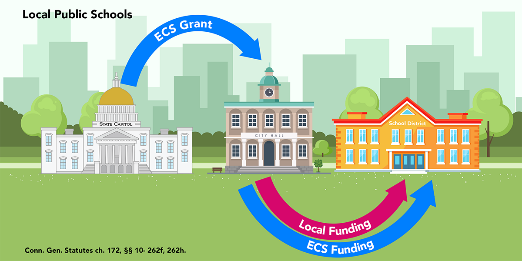
ECS funds help fund K-12 local public education and are distributed based on a formula that takes into account several factories such as student need and town wealth. This year, state ECS funding is projected to increase 2%-5%. While exact dollar figures are not yet determined due to the ongoing budget process, House Democrats are advocating for an additional $100-$170 million to flow back to cities and towns. We would use a portion of the "volatile" revenue surplus our state is currently projecting to pay up front for the new grants to municipalities.
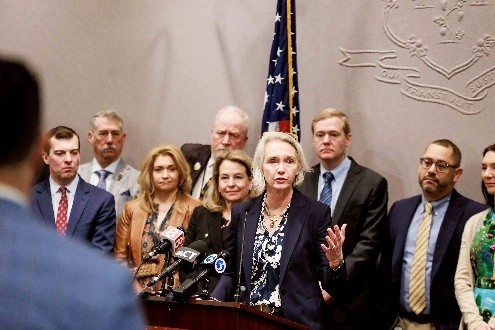
As our legislature's Finance Committee House Chair Maria Horn said at a recent press conference announcing this proposal, "this allows us to use the resources that we know we have today and to help municipalities across the state of Connecticut to ease that pressure on property taxes."
This approach is expected to save municipalities millions of dollars by addressing local education funding challenges including tuition costs associated with magnet schools and other school choice programs. Without this support, many towns and cities will have to look at other ways to pay for their increased education costs by either cutting school programming or raising property taxes.
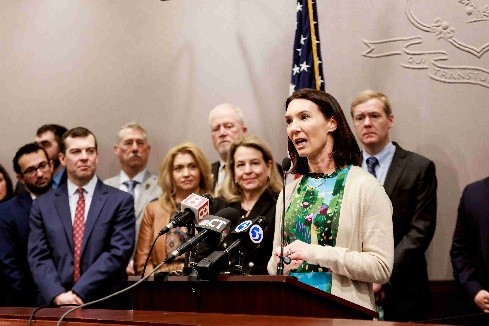
Rep. Jennifer Leeper, our House Chair of the Education Committee said it best. "We can't ask our children to shoulder an affordability crisis, and we are going to do everything we can to get the dollars to our municipalities to invest in our schools so our children have the right and the ability to fulfill their greatest promises."
You can read more about our plan to increase funding for public education and help stabilize local property taxes in this news article from CT Insider.