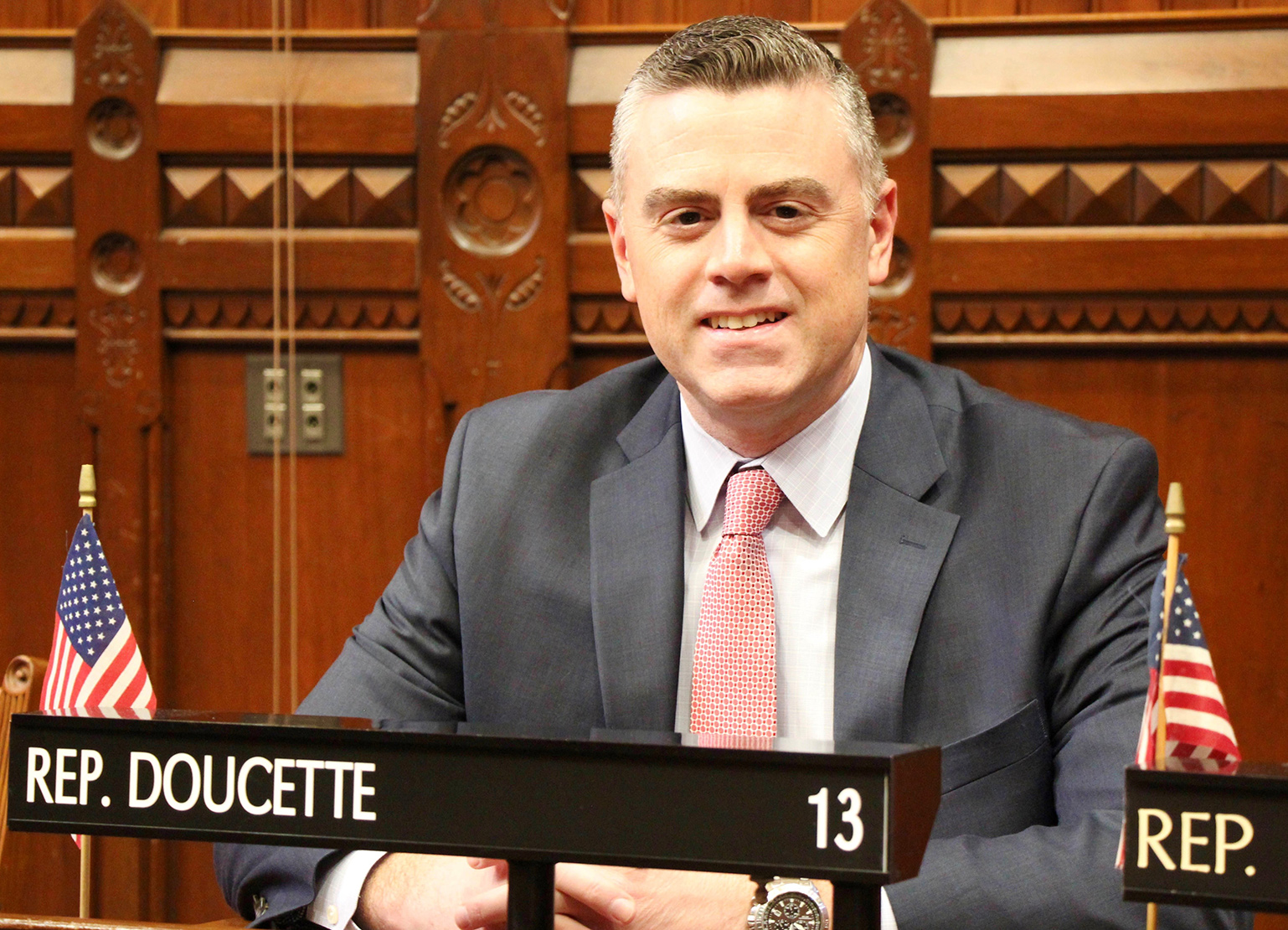
The House continued its work this week, passing bills that investing in our community heroes, support small businesses, ban cellphones in schools, and more. You can read below to learn about some of the work we did!
Investing in Our Community Heroes
Connecticut House Democrats are making targeted, meaningful investments in the people who keep our communities strong — from first responders and veterans to nurses, teachers, and blue-collar workers.
We passed legislation backing those who serve by expanding support for police, firefighters, and veterans. That includes state-backed health insurance for families of fallen volunteer firefighters and state marshals, mortgage assistance for first responders, and stronger recruitment and training efforts. We’re also building on successful partnerships between law enforcement and mental health professionals, improving access to jobs and benefits for veterans, and creating new tuition assistance opportunities for those serving here at home.
At the same time, we’re strengthening protections for workers. Nurses and teachers will have better safeguards if they’re injured on the job, including help covering lost wages and expenses. Paraeducators will have greater financial stability, and workers across industries — especially those in high-risk or subcontracted roles — will see stronger protections, fairer pay practices, and safer working conditions. We’re also ensuring workplace standards keep pace with modern needs, including guaranteed break time for nursing mothers.
Additionally, we’re helping employers build stronger workplaces by investing in workforce development. From training programs for certified nurse assistants to better coordination between educators and industry, these efforts are designed to connect people to good-paying jobs while helping businesses grow.
The bill also includes stipulations for virtual monitoring in home care, increased penalties for noncompliance with staffing requirements in hospitals, and mandates for remote work during inclement weather.
This bill was intended to create safer and more equitable work environments and support the needs of several employee groups across Connecticut. We think it does. For a closer look at the legislation, please click HERE.
This is about standing with the people who serve and support our state — and making sure Connecticut continues to work for them.
Putting Children First
After several recent tragedies involving children in Connecticut and growing calls for more accountability in our child welfare system, House Democrats are taking action in the 2026 legislative session.
Prioritize placing children with family members and responsible adults who are already in their lives.
Make sure there is follow-up with sister agencies when DCF-involved children travel out of state.
Support caregivers and children with funding for after-school programs, childcare, and incidentals.
Uplift our child welfare workforce through improved training, stipends for mentors and mentees, and personal emergency communication devices.
Require additional eyes on children who are the subject of multiple reports of abuse or neglect, and those residing with someone on parole or probation after incarceration for serious crimes against children.
Provide robust real-time data for policymakersand the public on DCF performance through a user-friendly dashboard.
Establish a new committee to gather legislators, state agencies, experts, and stakeholders to review our child welfare policies and performance and make recommendations for improvements.
This significant legislation reflects a bipartisan effort to reform the Department of Children and Families with policies and procedures that put children first, and a commitment to continued attention to this important issue.
Supporting Our State Workers
Connecticut has some of the most talented and high-quality state workers in the nation, and this week we recognized their efforts with a carefully negotiated bipartisan agreement approving a new contract for members of the State Employee Bargaining Agent Coalition.
The agreement makes improvements for healthcare for state workers, and incentivizes new workers to join state government and help close the staffing crisis our state currently faces.
These folks are the ones that keep our state running every day, maintaining our roads and infrastructure, upholding public safety, helping our most vulnerable residents, and more. I was proud to join my colleagues on both sides of the aisle to vote for this resolution.
Strengthening Student Well-Being
House Bill 5323: An Act Concerning Various Revisions to the Education Statutes, is a comprehensive omnibus measure that proposes updates to how schools address student health, nutrition, safety, and administrative support programs. Key provisions include:
Create an incentive program: Help districts reduce time spent on broad assessments, expand use of formative tools, and strengthen teacher practices, with rewards such as recognition, funding, and flexibility. As well as providing guidance to help districts cut back on excessive testing and shift toward more targeted, instructional assessments.
Redesign high school math pathways: Helps to better align with postsecondary and workforce needs, establish guidance on the role of math specialists, and support improved instruction through professional development resources and a potential statewide training initiative.
Strengthen safeguards in the hiring process for school personnel: Requires applicants to disclose whether they are currently the subject of a pending investigation related to abuse or misconduct.
Armed School Security: Expands eligibility for armed school security personnel to include retired parole officers who meet established training standards and are in good standing.
Therapeutic Arts Grants: Directs the State Department of Education to create a grant program supporting therapeutic arts initiatives, prioritizing districts with higher rates of suspensions and limited access to behavioral health resources.
Athletic Eligibility: Prohibits local school districts from imposing academic eligibility requirements for interscholastic athletics that exceed those set by the Connecticut Interscholastic Athletic Conference (CIAC), ensuring greater consistency statewide.
Overall, the bill seeks to strengthen student well-being, promote equitable access to resources, and provide clearer, more consistent policies across school districts.
Cellphones in Schools
Cellphones have become a major part of the lives of adults and children. While these devices can be useful at times, they have also proven to be addicting, distracting, and are robbing our children of important opportunities to create connections and develop relationships, particularly at school.
Manchester is one town that has already acted to put rules in place around restricting devices in the school, and these restrictions have been widely regarded as successful. This week, the House took action with HB 5035 to direct our schools statewide to implement policies to restrict cell phone usage in school. This policy will allow our children to further connect with their peers and educators, strengthen their attention spans, and enhance their learning ability.
While this bill does not fully remove technology as a distraction, it is a great step in the right direction to give our students the best school experience possible.
Support for Small Businesses
The House passed a measure to support Connecticut’s small businesses by creating a pathway to access state grants and economic development programs.
Under House Bill 5467, an employee with the Department of Economic and Community Development (DECD) would serve as a direct point of contact for small businesses. This individual would help business owners navigate available funds, incentives, and community development programs administered by DECD.
Too often, small businesses struggle to identify what resources are available or how to apply. This measure creates an accessible gateway for information and assistance, ensuring business owners have someone to answer questions, connect them with the right programs, and guide them through the process.
House Bill 5467 is an important step toward removing barriers and helping Connecticut businesses grow and thrive.
Customers should begin seeing these lower rates reflected in their bills starting May 1, with the reductions expected to remain in place through at least September for most households.
Aging Committee Bills
This week, the House passed three bills from the Aging Committee regarding dental hygienists serving underserved homebound patients, technology in residential care homes, and trainings for homemaker companion agency employees. You can read about those three bills below:
HB 5140 will allow dental hygienists to serve underserved homebound patients in private residences, such as seniors, veterans, and the disabled, who would likely go without dental care. Dental hygienists currently are allowed by law to work in facilities such as senior centers and preschools without the oversight of a dentist, and this legislation expands upon that. The dental hygienist will have worked under the supervision of a dentist for more than two years.
HB 5142 extends protections for the use of technology to residents of residential care homes and sets a penalty for violation of the protections. It ensures residents in residential care homes can set up virtual monitoring systems so families have peace of mind and they can keep an eye on their loved ones. In the case of roommates, permission must sign off on paperwork, which can change at any time.
HB 5143 requires homemaker companion agency employees to complete eight hours of basic training each year, including training on topics such as: helping individuals with Alzheimer’s, identifying abuse, identifying when care is above capacity of a homemaker companion, and hygiene assistance.
Scam Alert: Fake Court Text Scams
The Connecticut Judicial Branch is warning residents about two text message scams aimed at stealing your money and personal information. One falsely claims you have an unpaid traffic citation and must pay immediately. The other alleges that you missed jury duty and owe a penalty. Both are bogus.
The Judicial Branch does not send texts or make calls demanding payment for motor vehicle violations. It does not threaten arrest of missed jury service by text, and it does not use a judge’s name to pressure individuals into paying money.
If you receive one of these messages:
Do not respond
Do not click on any links
Do not provide personal or financial information
Please share this warning with family, friends, and neighbors to help prevent more people from becoming victims.
As always, please feel free to email me at Jason.Doucette@cga.ct.gov or call my office at 860-240-8584.