

Housing
After almost one year of work on these proposals, and many years in the making, we passed, again, important legislation that gets to the heart of planning for Connecticut’s housing growth. We continued, and will continue, these efforts because it matters deeply to our communities, to our families, and to the future of Connecticut. Whether it’s the ability to rent, to downsize, to stay in the community they love, or the opportunity for the next generation to simply afford a home, every resident deserves the chance to access an opportunity that fits their needs.
Everyone deserves housing they can afford without having to work multiple jobs
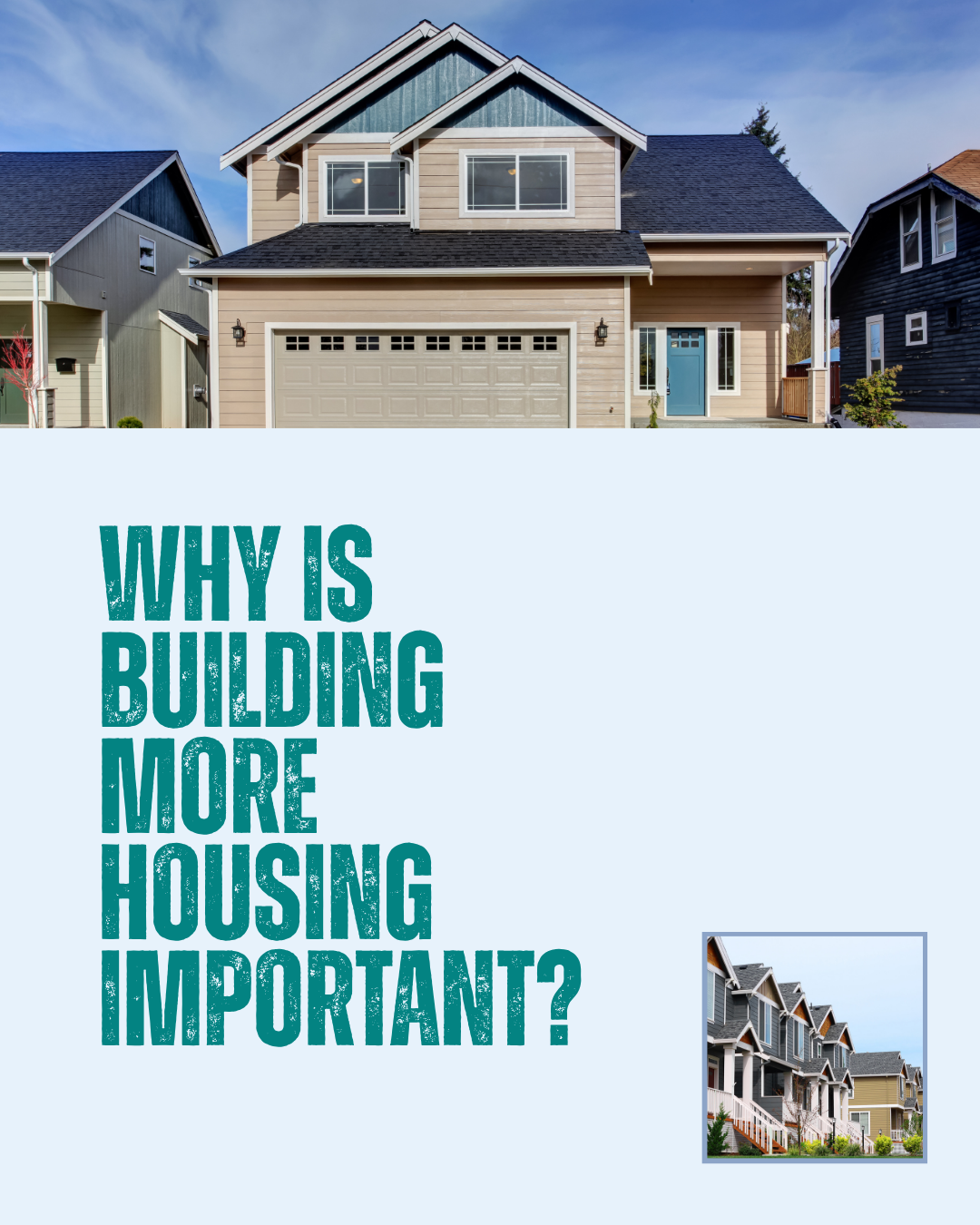
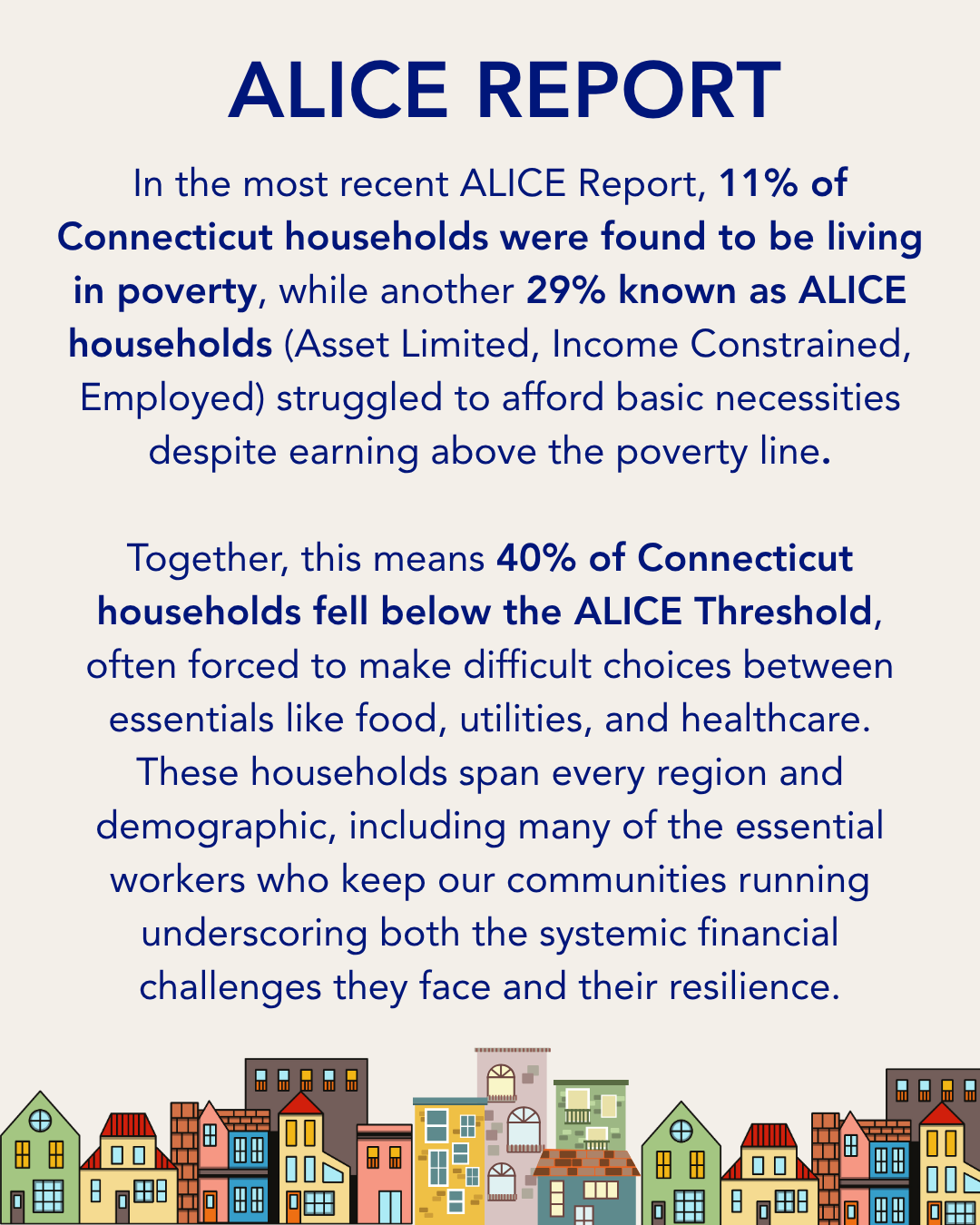
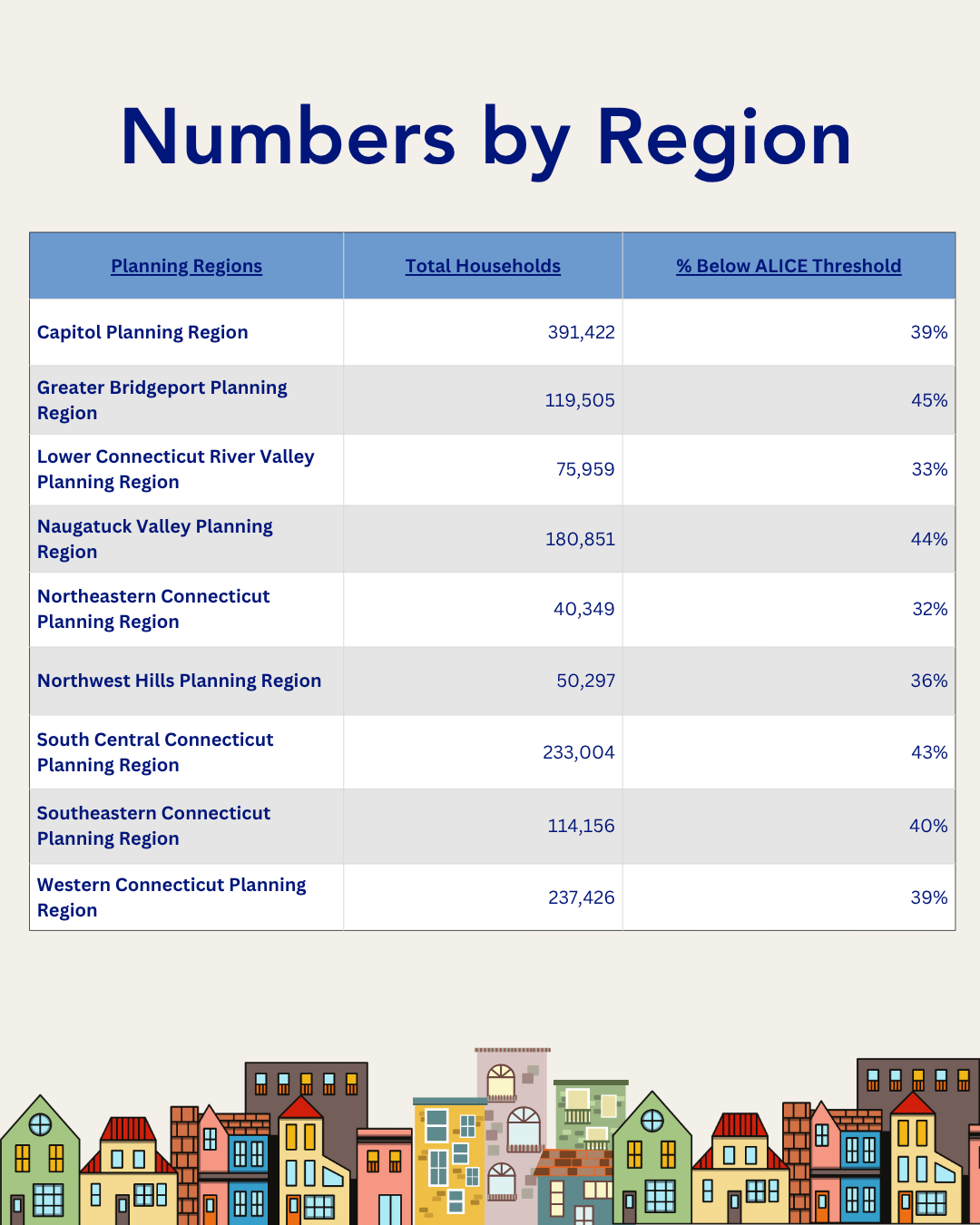
Housing insecurity impacts far too many Connecticut families. The latest ALICE Report shows that 40% of households are struggling to afford basic needs which is why the legislature must act now to take meaningful steps in the right direction toward stability, affordability, and opportunity for all.
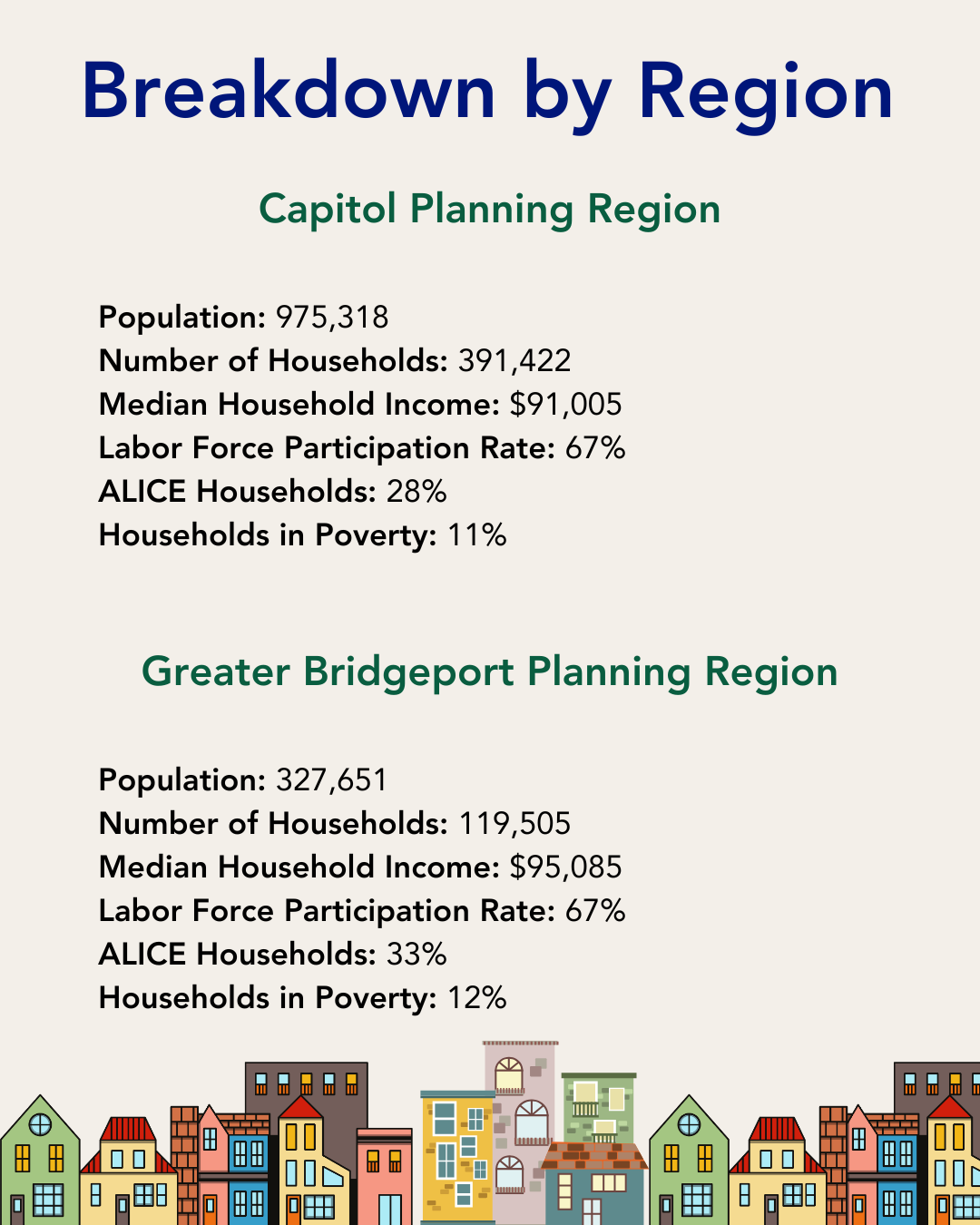
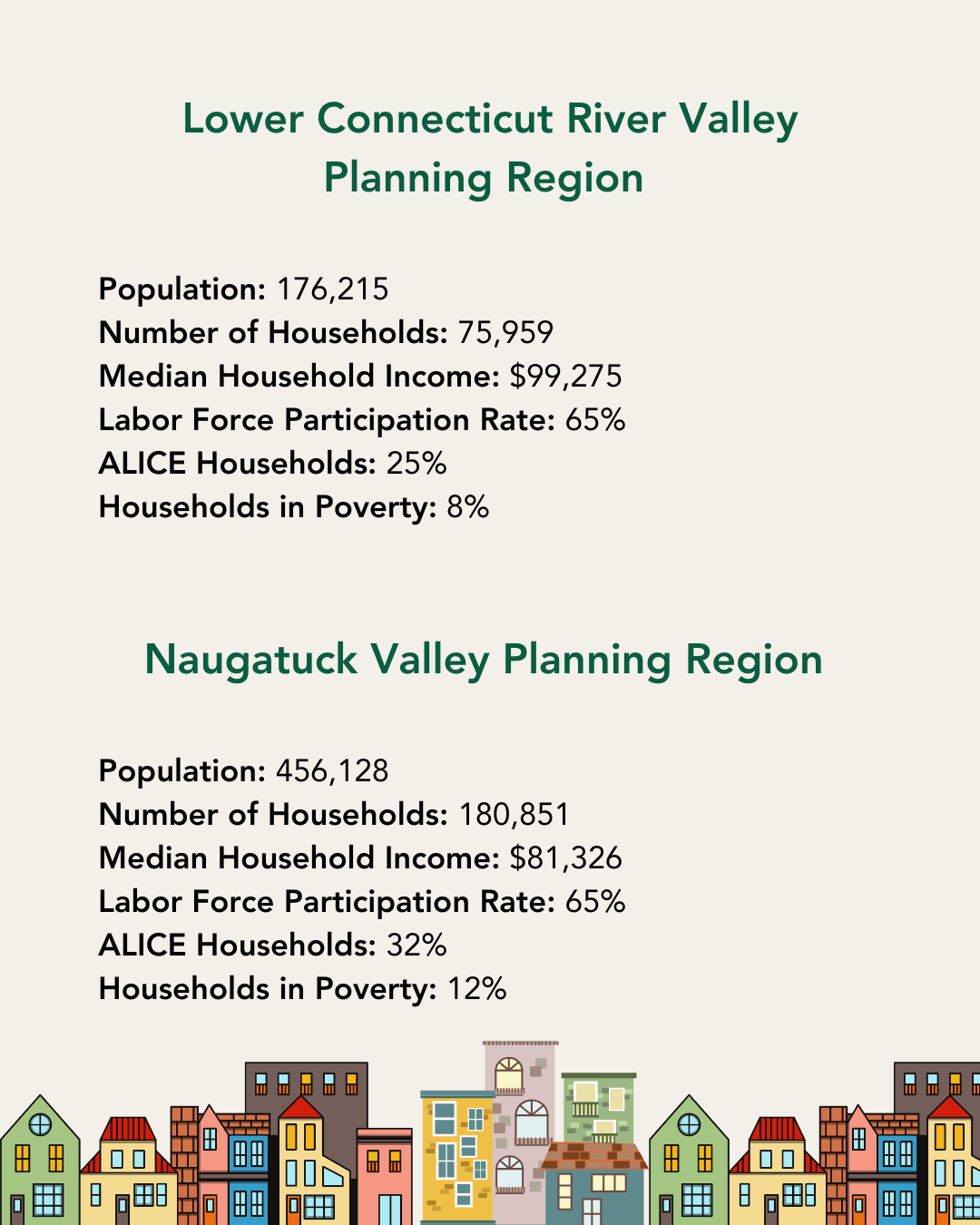
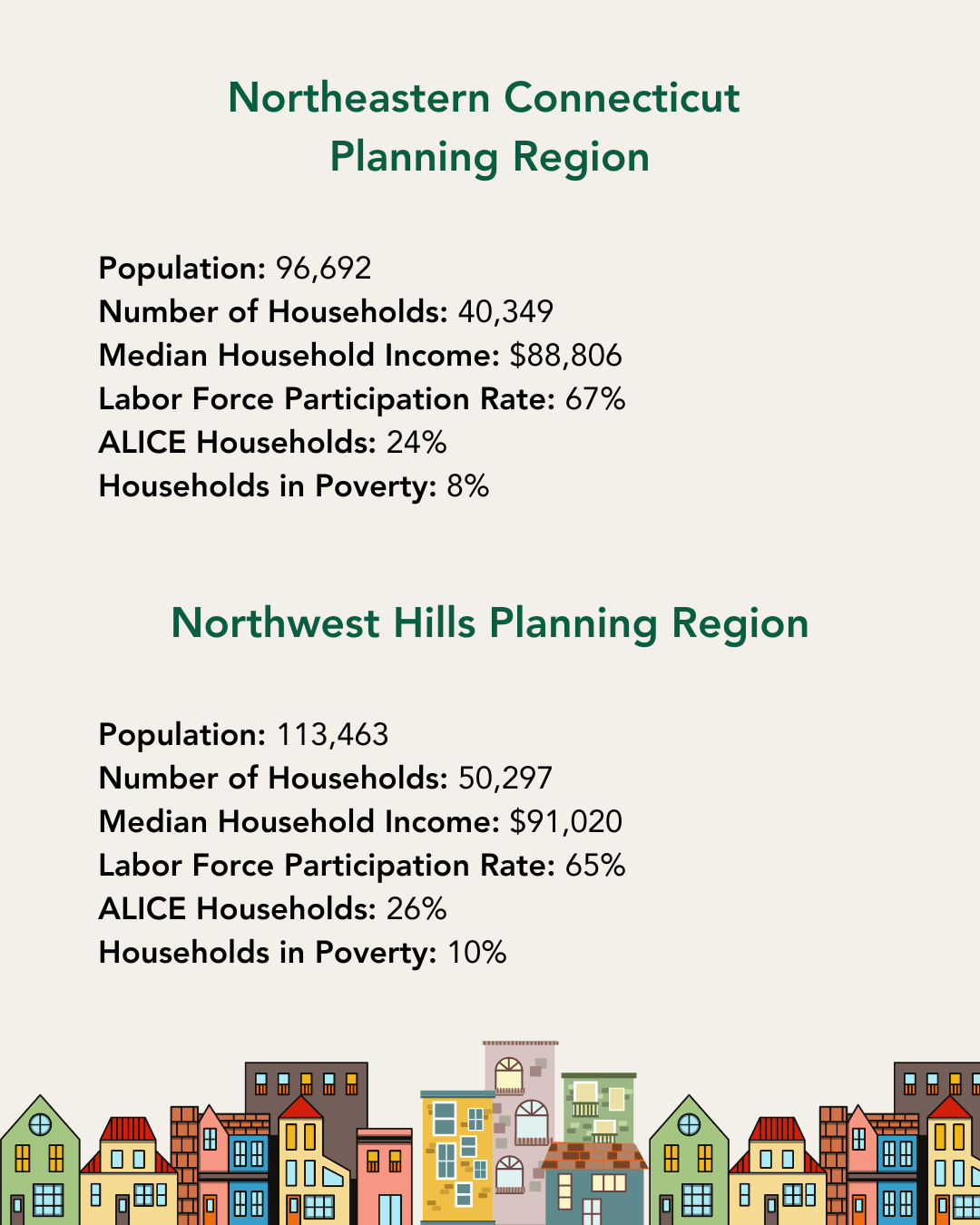
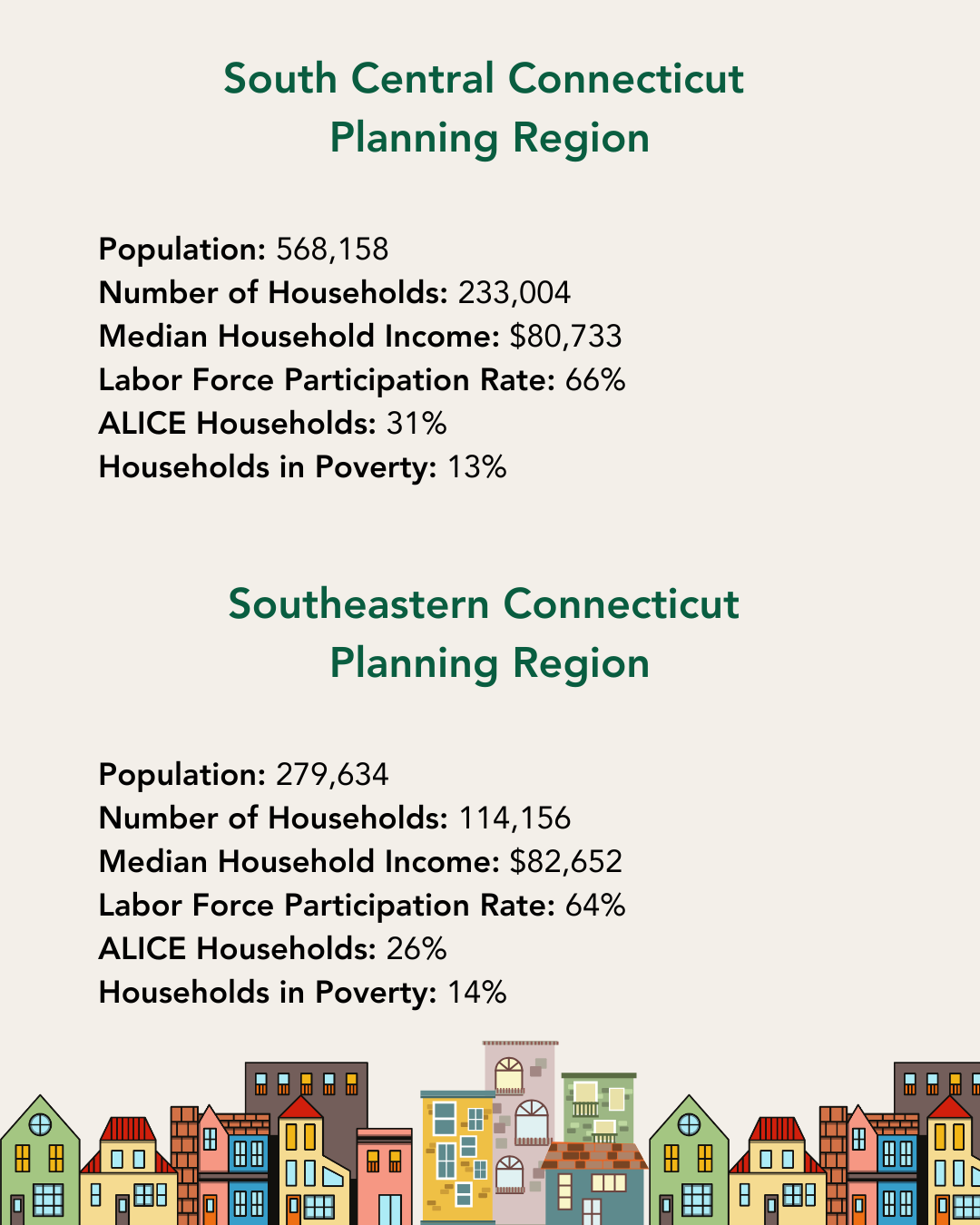
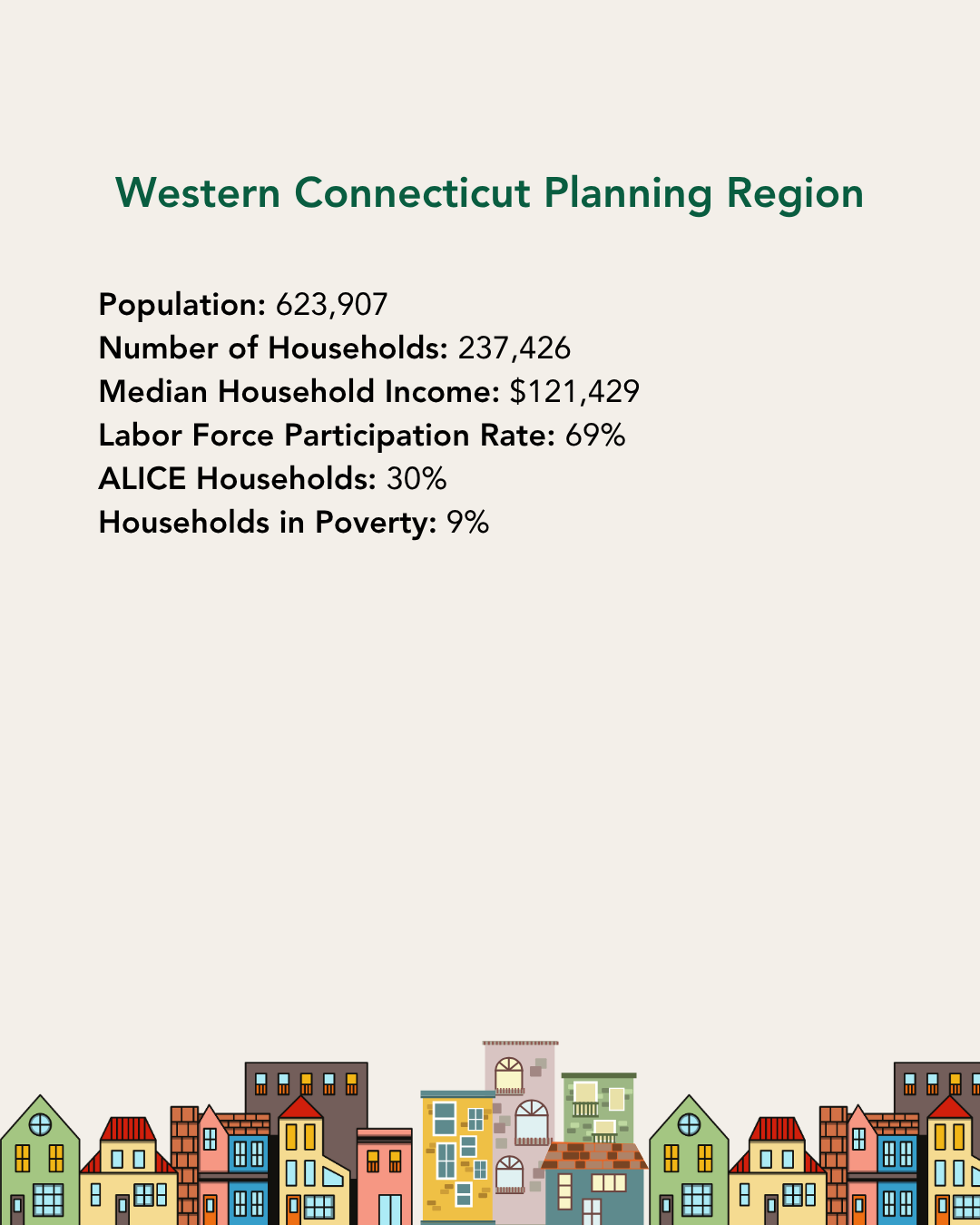
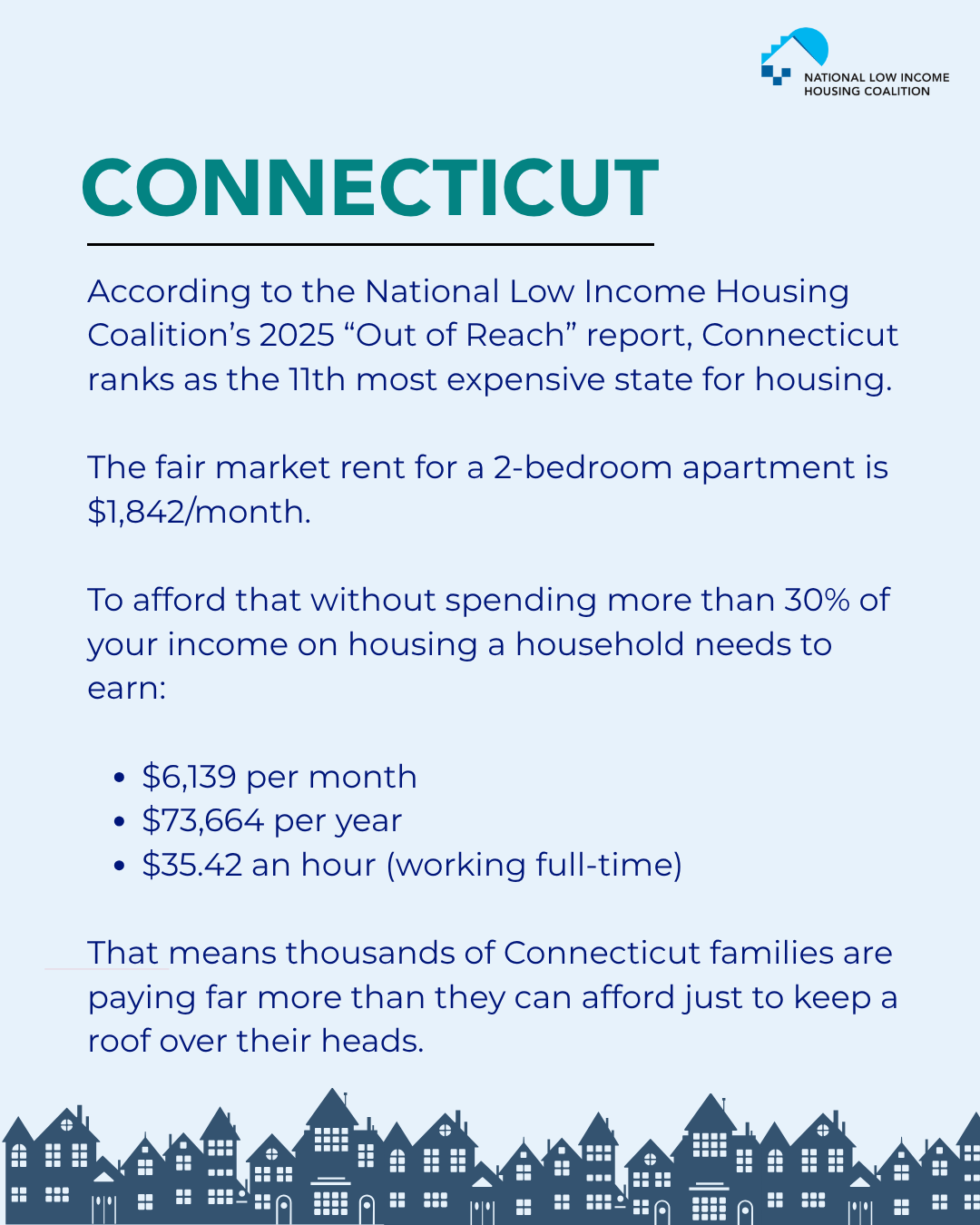
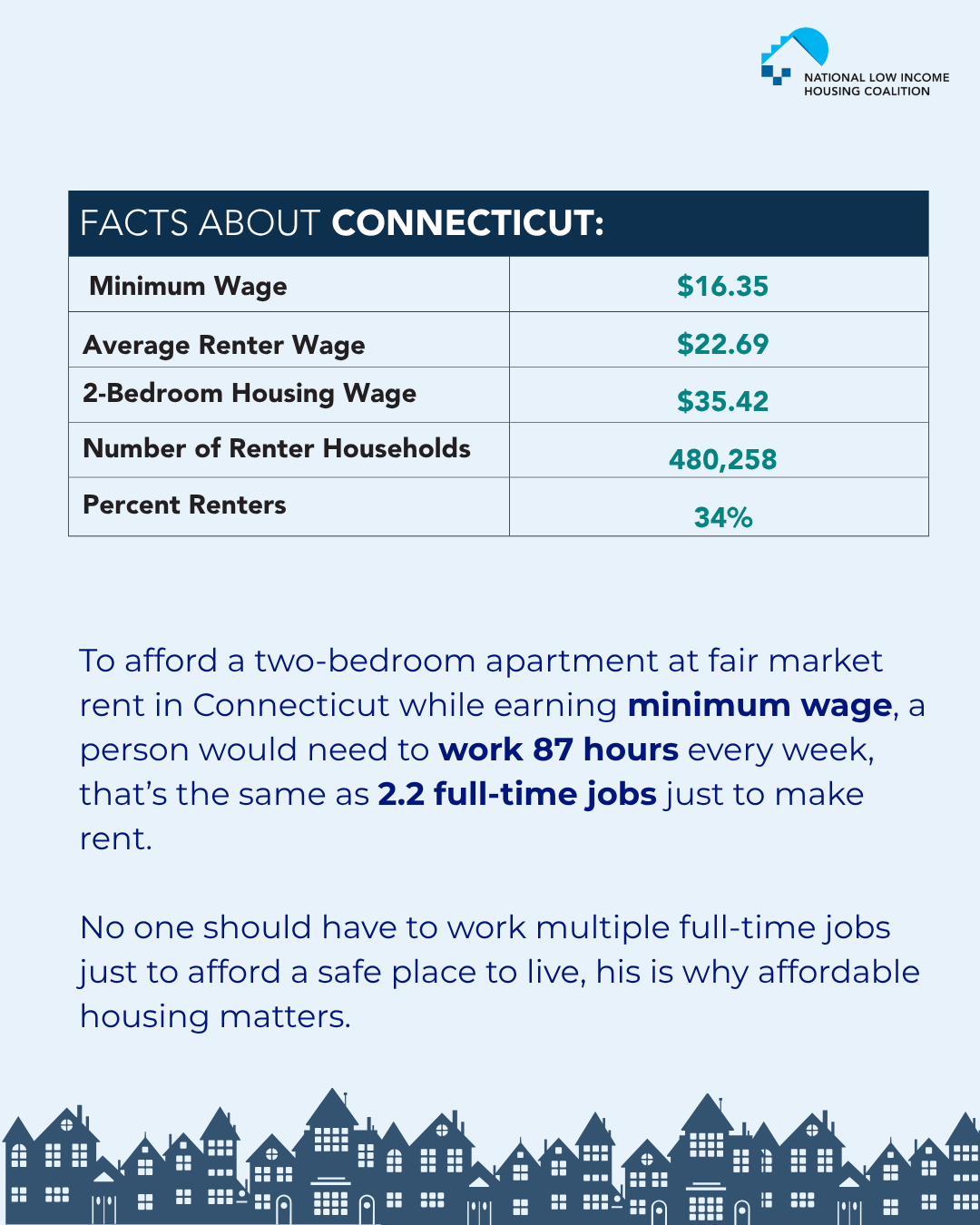
The recent “Out of Reach” report post showed a clear gap between wages and housing costs in Connecticut. While the state’s minimum wage is $16.35, the housing wage – what a worker must earn to afford a modest two-bedroom apartment at fair market rent – is $35.42. That number varies across regions, but the message is the same: too many Connecticut residents are being priced out of stable housing and opportunity. Everyone deserves a place to call home. It’s time for Connecticut to take meaningful action to address the housing crisis so people don’t have to work multiple jobs simply to keep a roof over their heads.
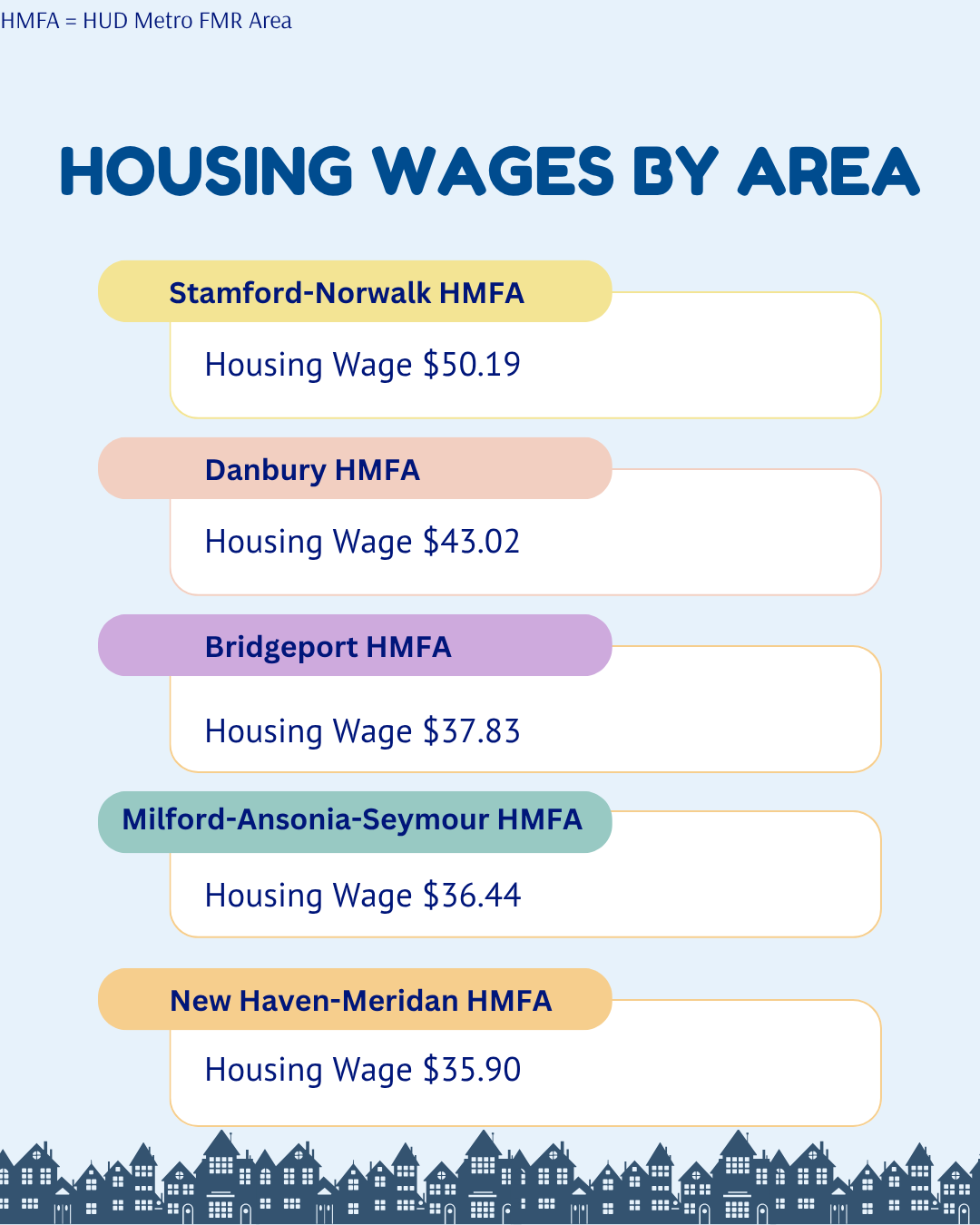
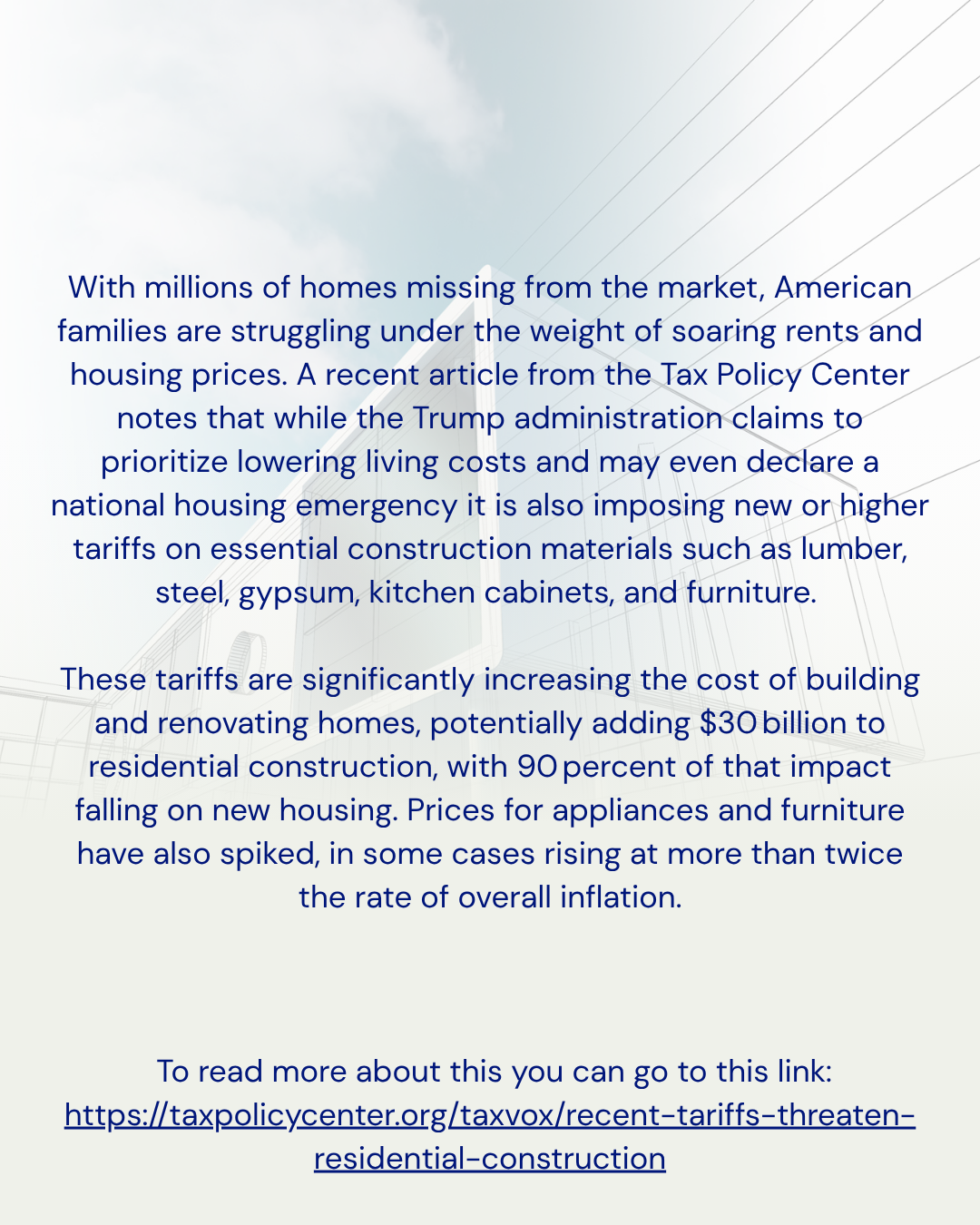
Families and individuals across the country are struggling with soaring housing costs, and new federal tariffs on construction materials are only making homes and other developments more expensive to build. Here in Connecticut, we’re working to move in the opposite direction by prioritizing affordability and making sure our families can find and keep stable housing while seeking opportunities to offset these rising costs.

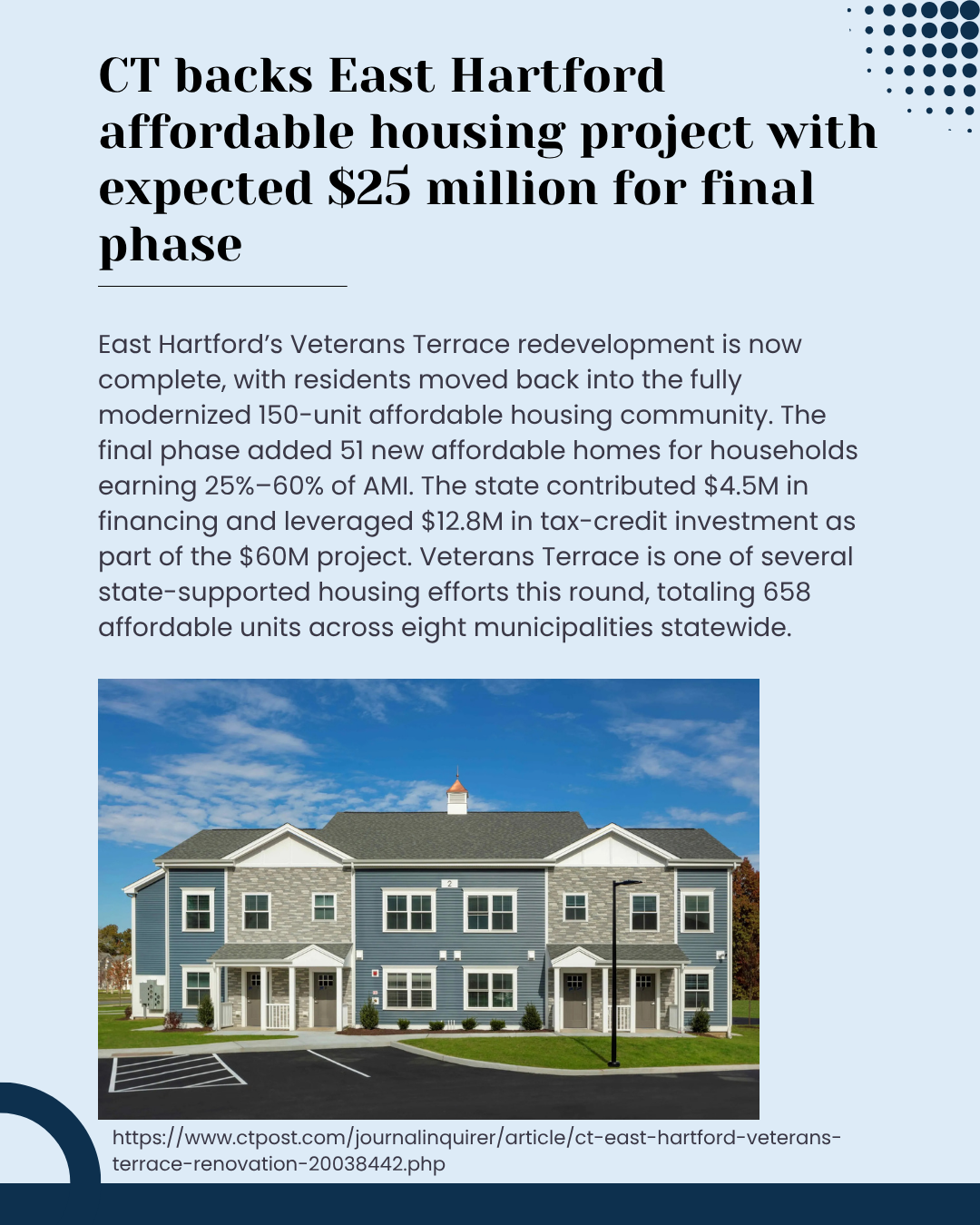
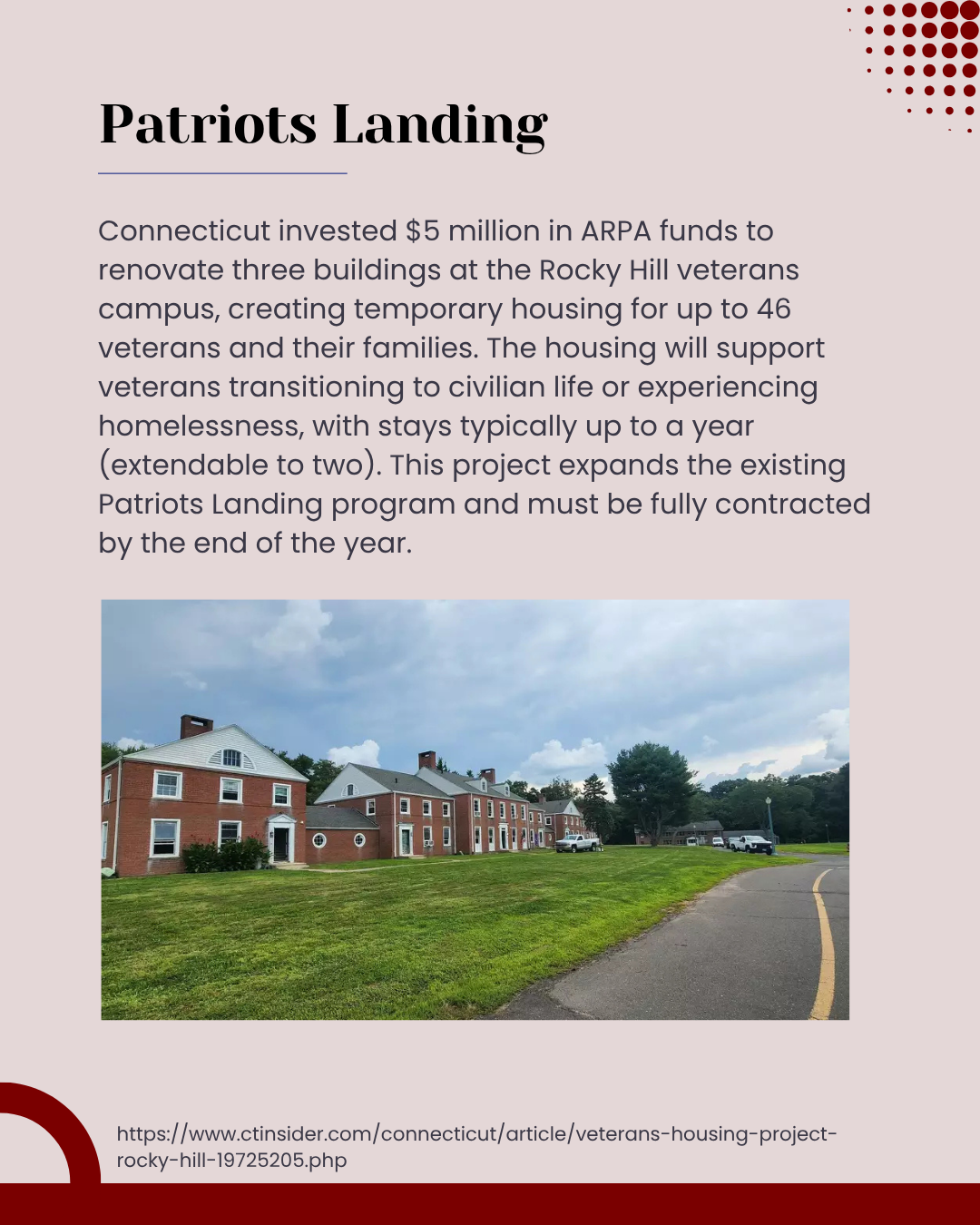
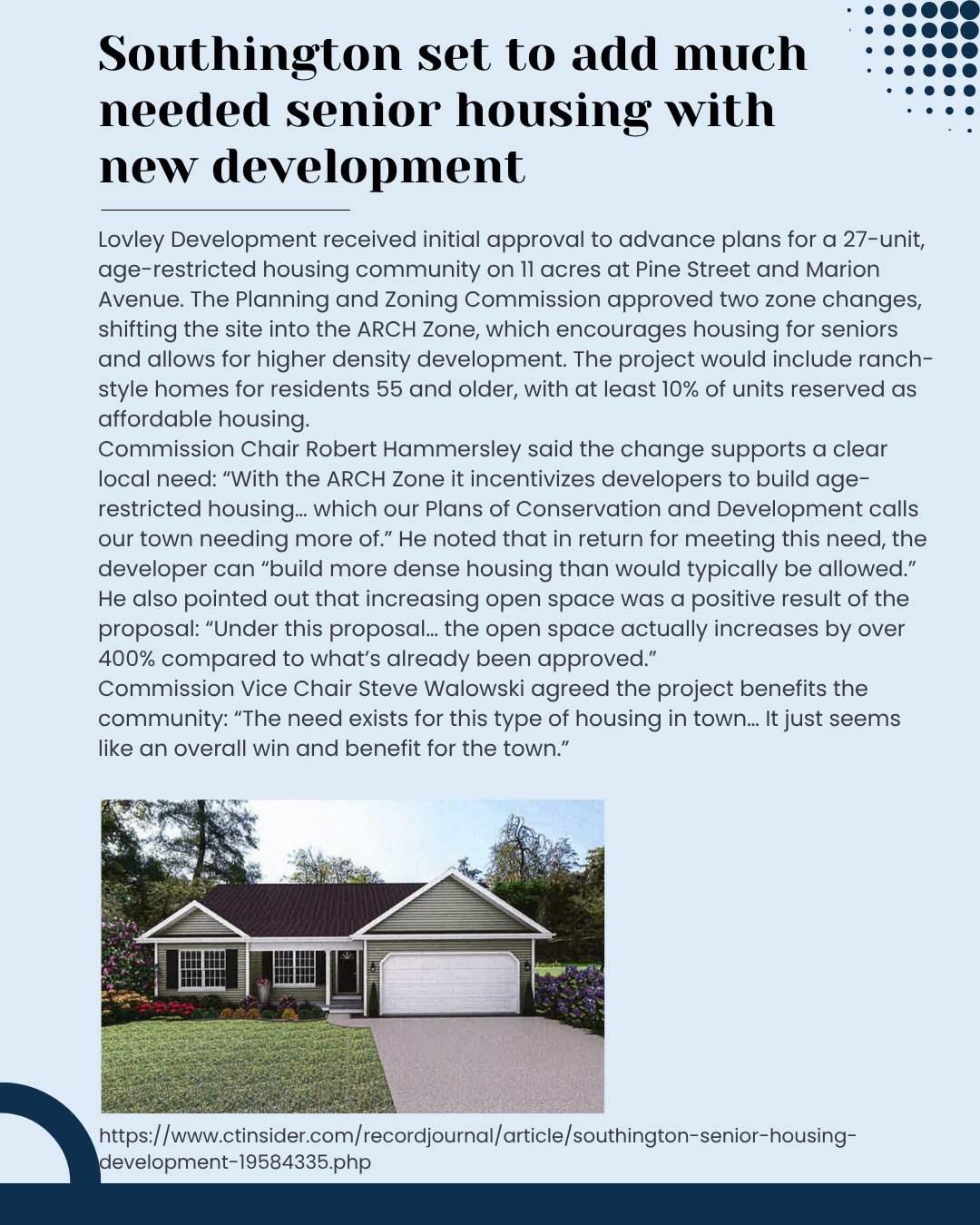
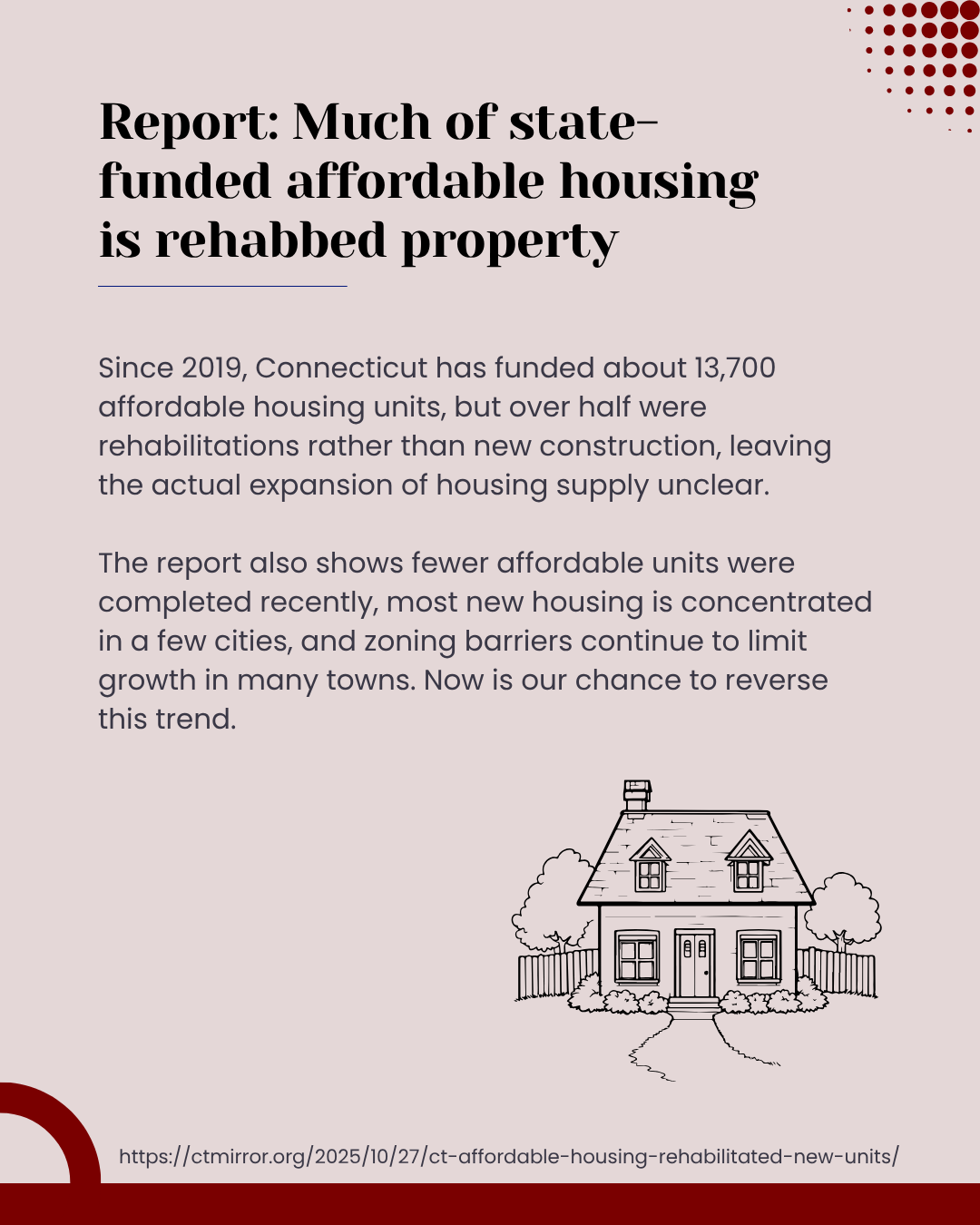
Connecticut has invested in housing, with much of that work focused on renovating what already exists. The new housing bill gives us a real path to plan for and create new housing across our communities without losing focus on rehabbing existing stock.


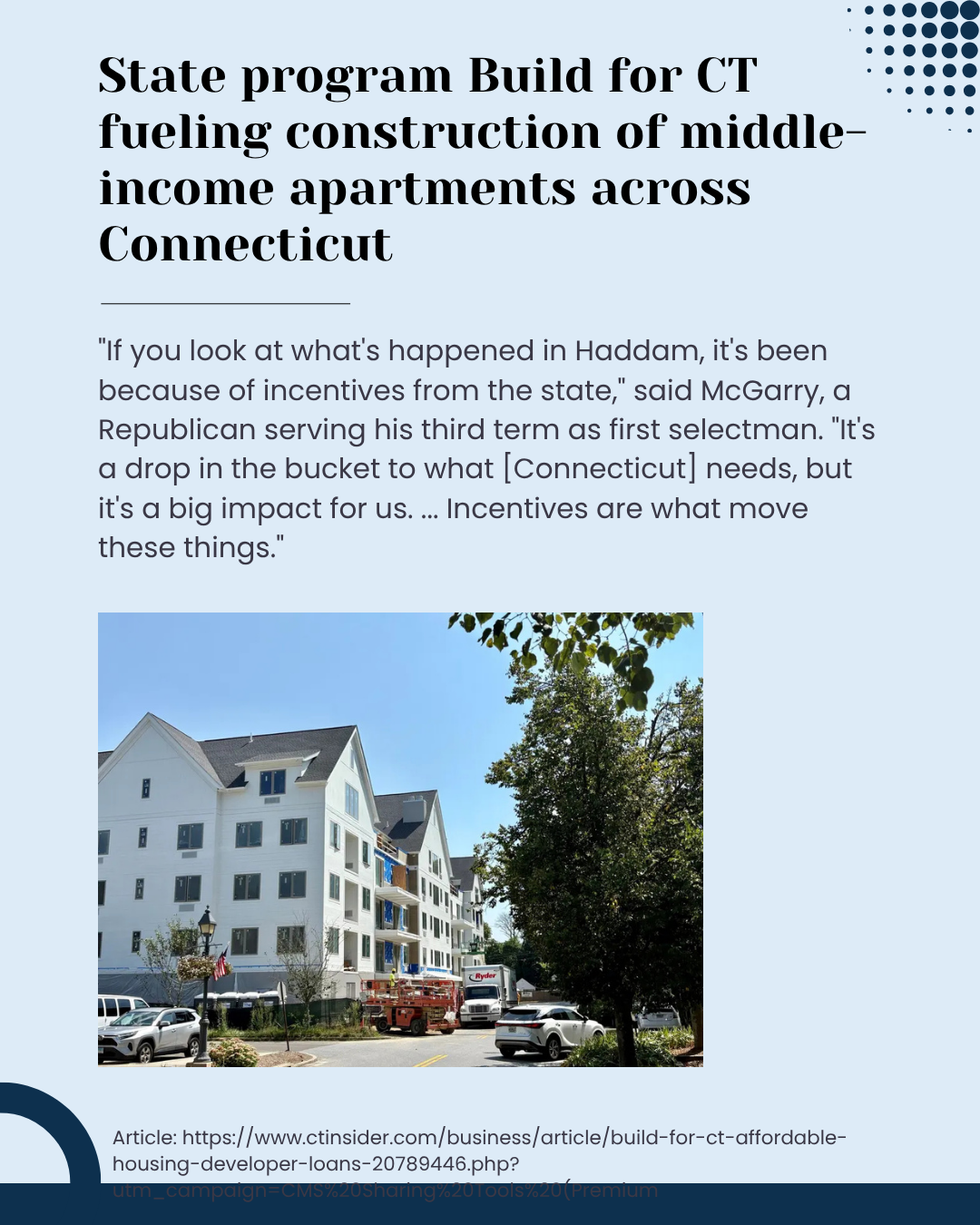
Parking has been a big question in this bill. While updating outdated and expensive minimums that overtake what could be used for open, community space, the housing bill provides municipalities with additional tools to remain flexible. This helps reduce unnecessary barriers to building homes while still ensuring communities have the parking they need.
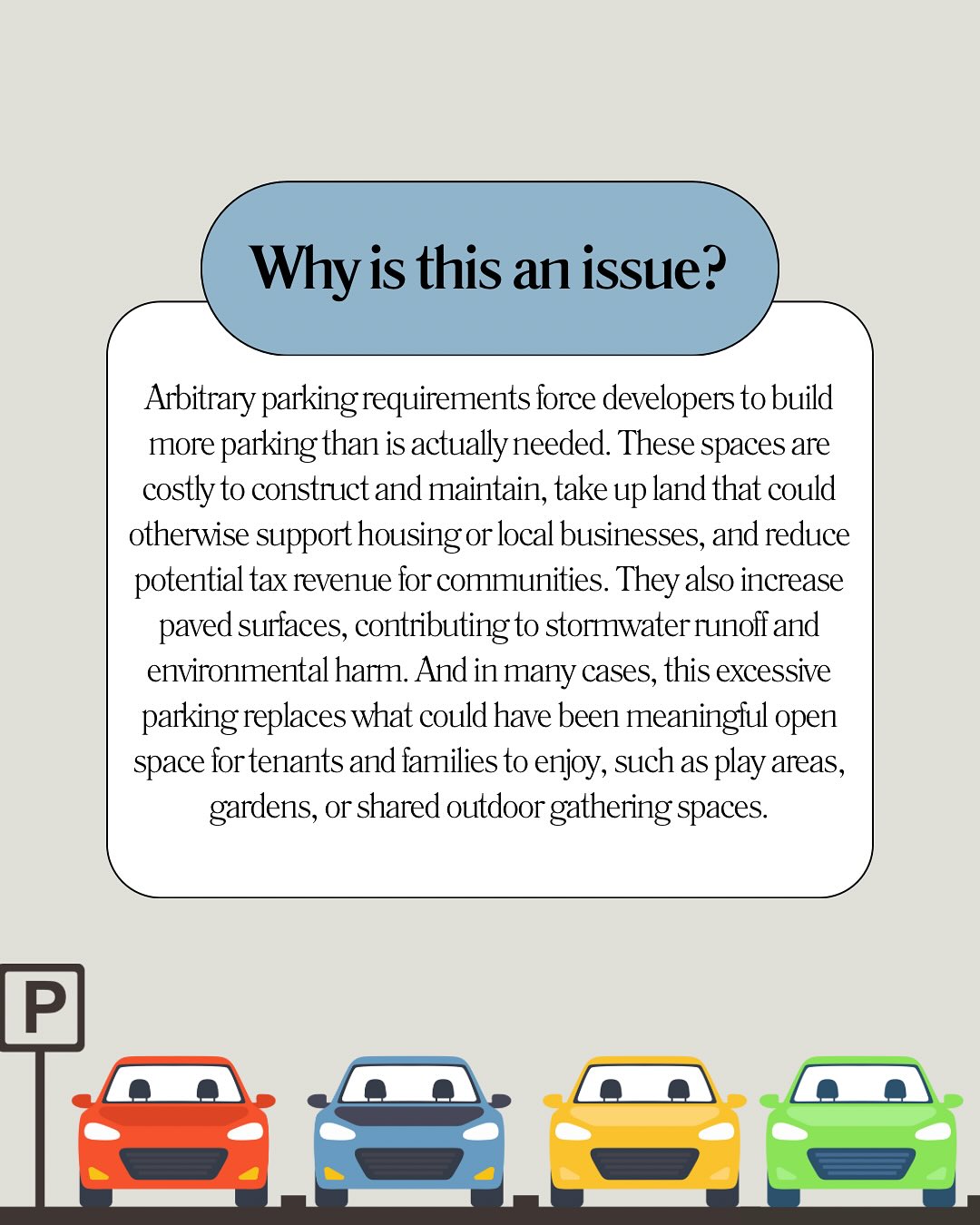
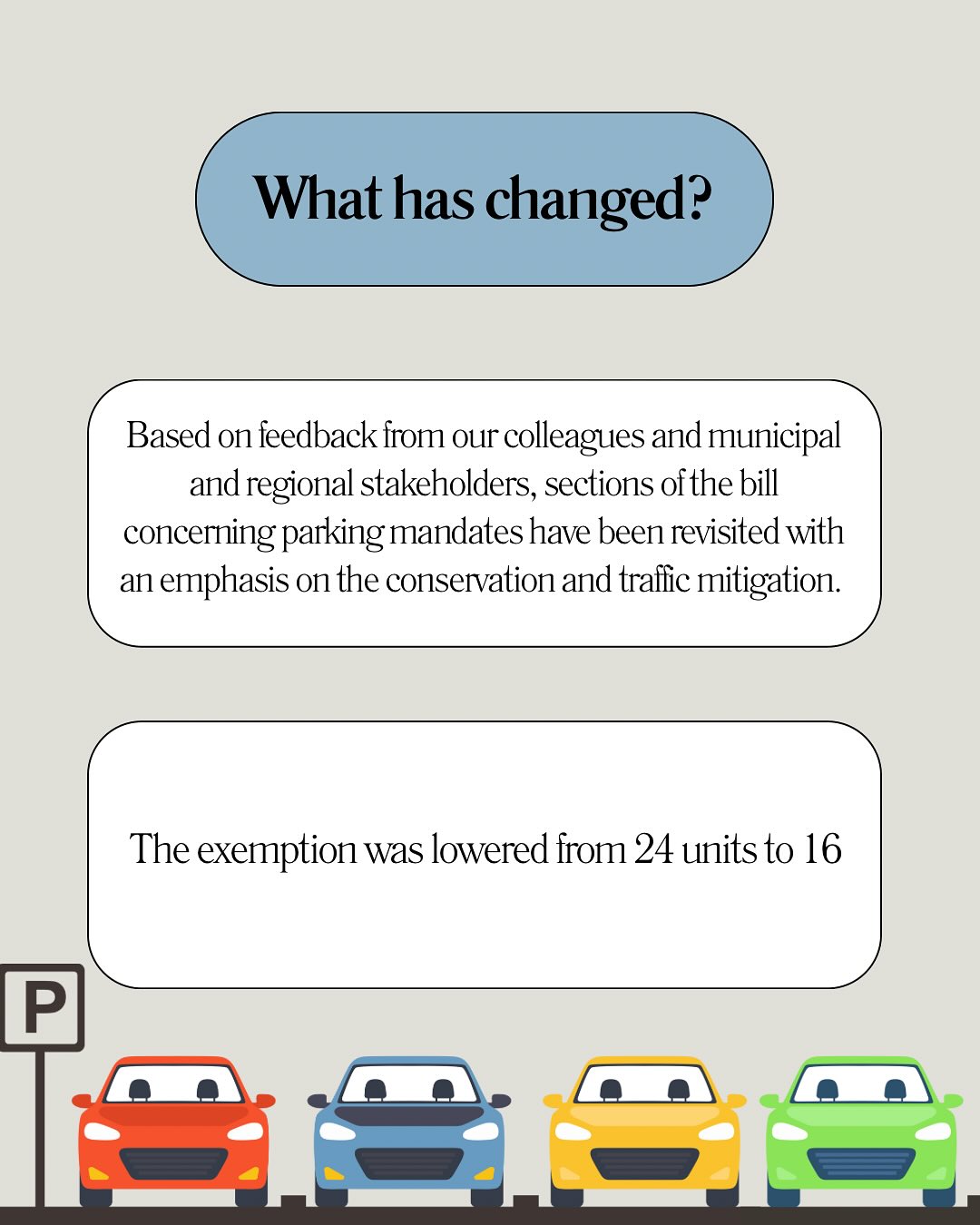
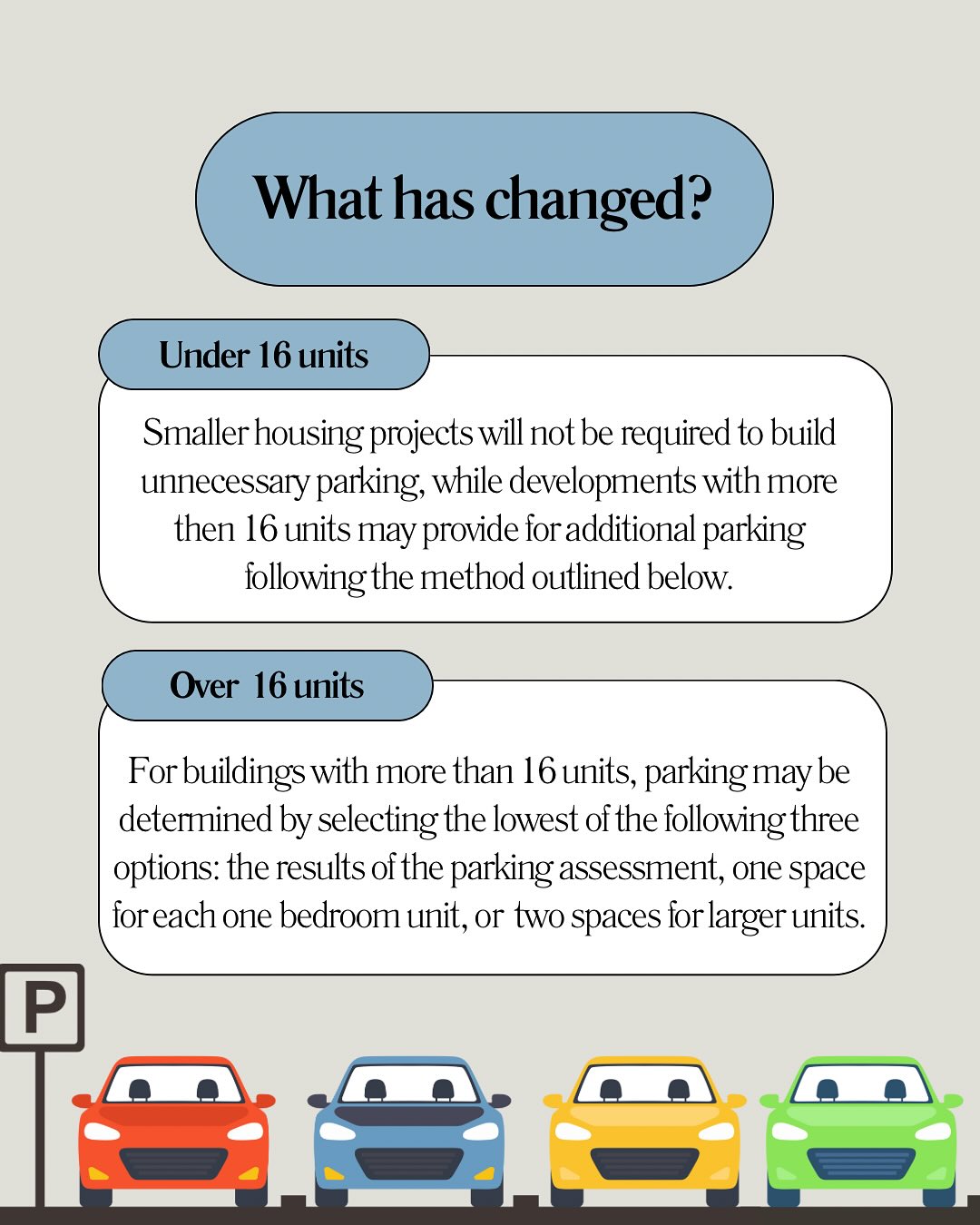
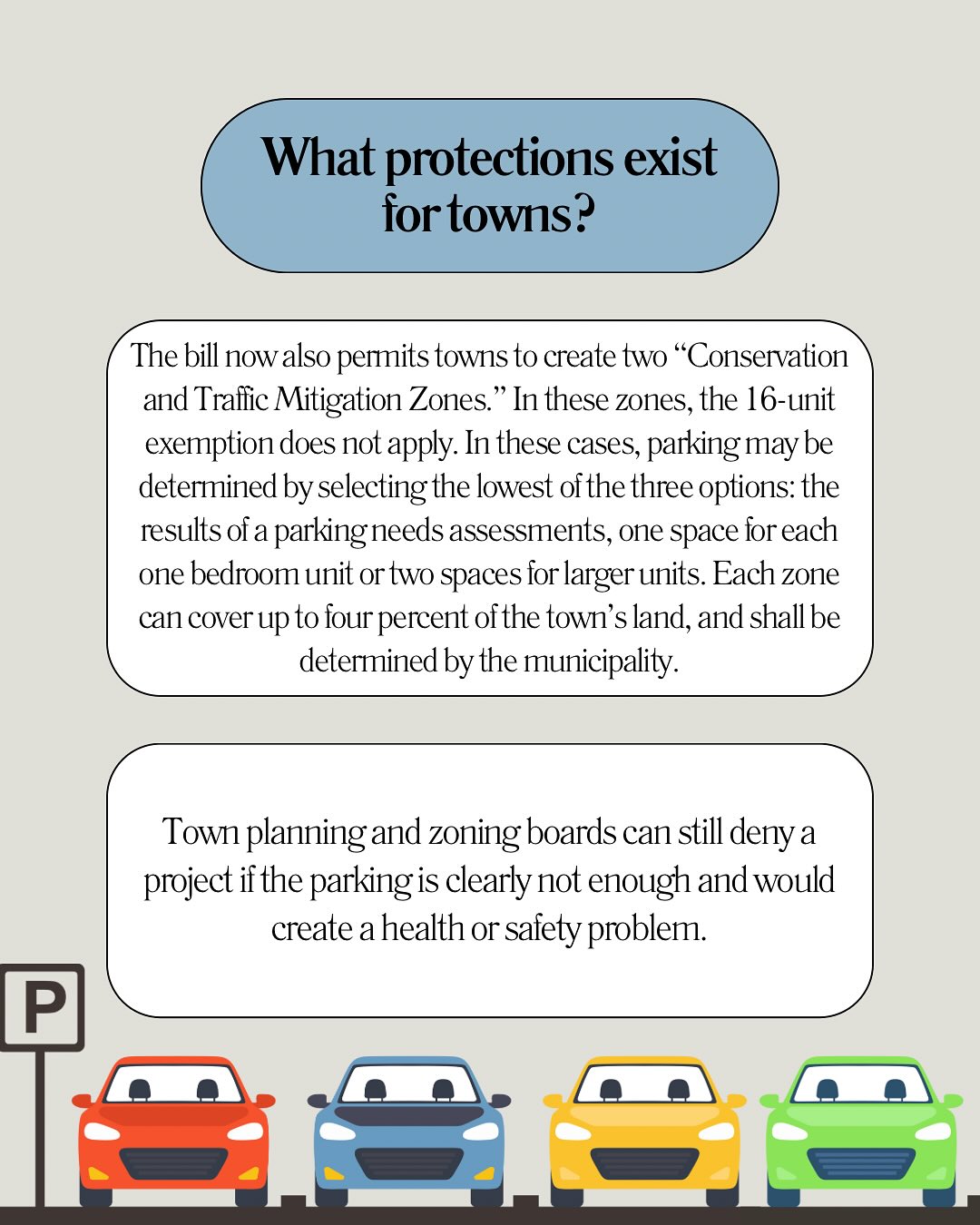
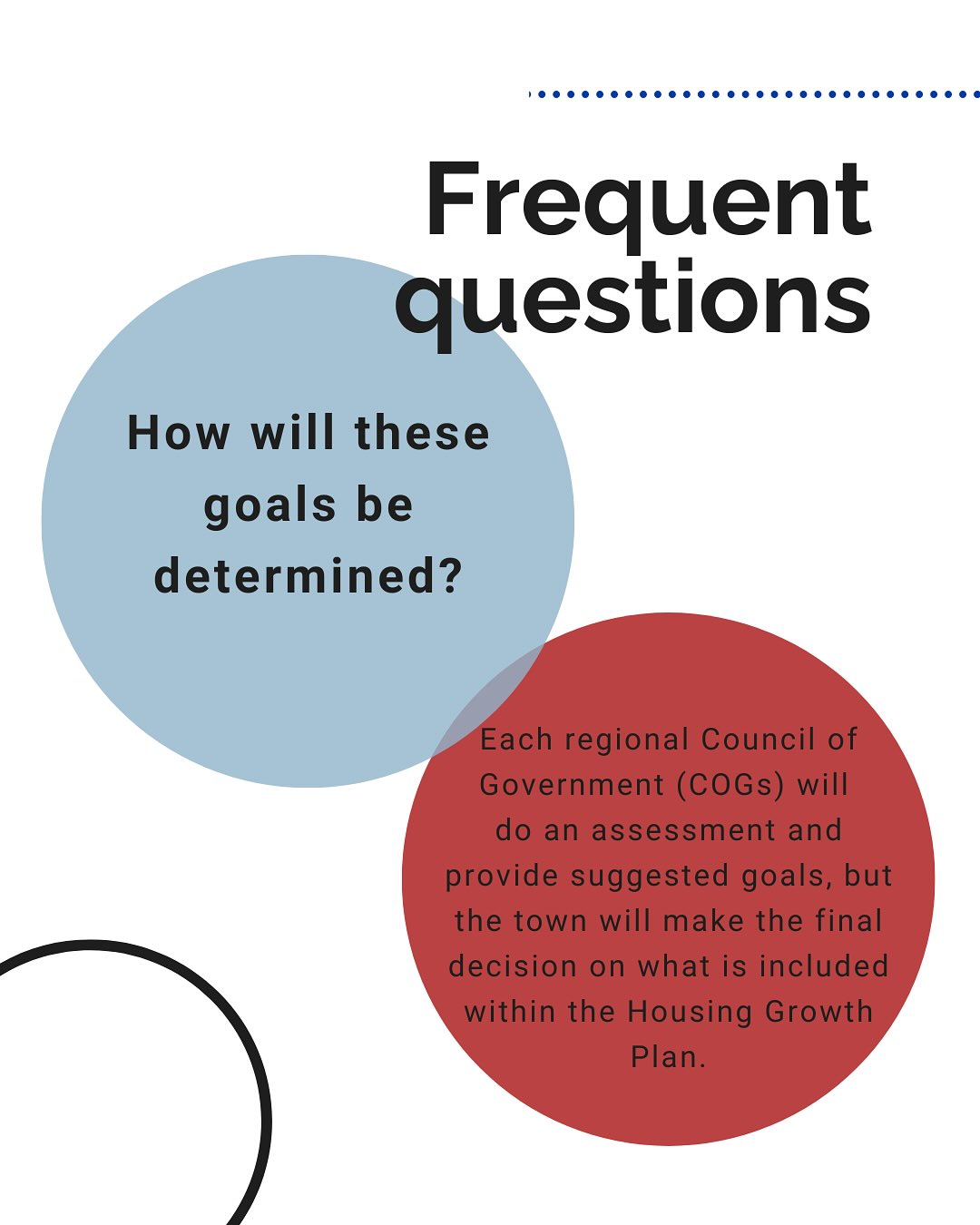
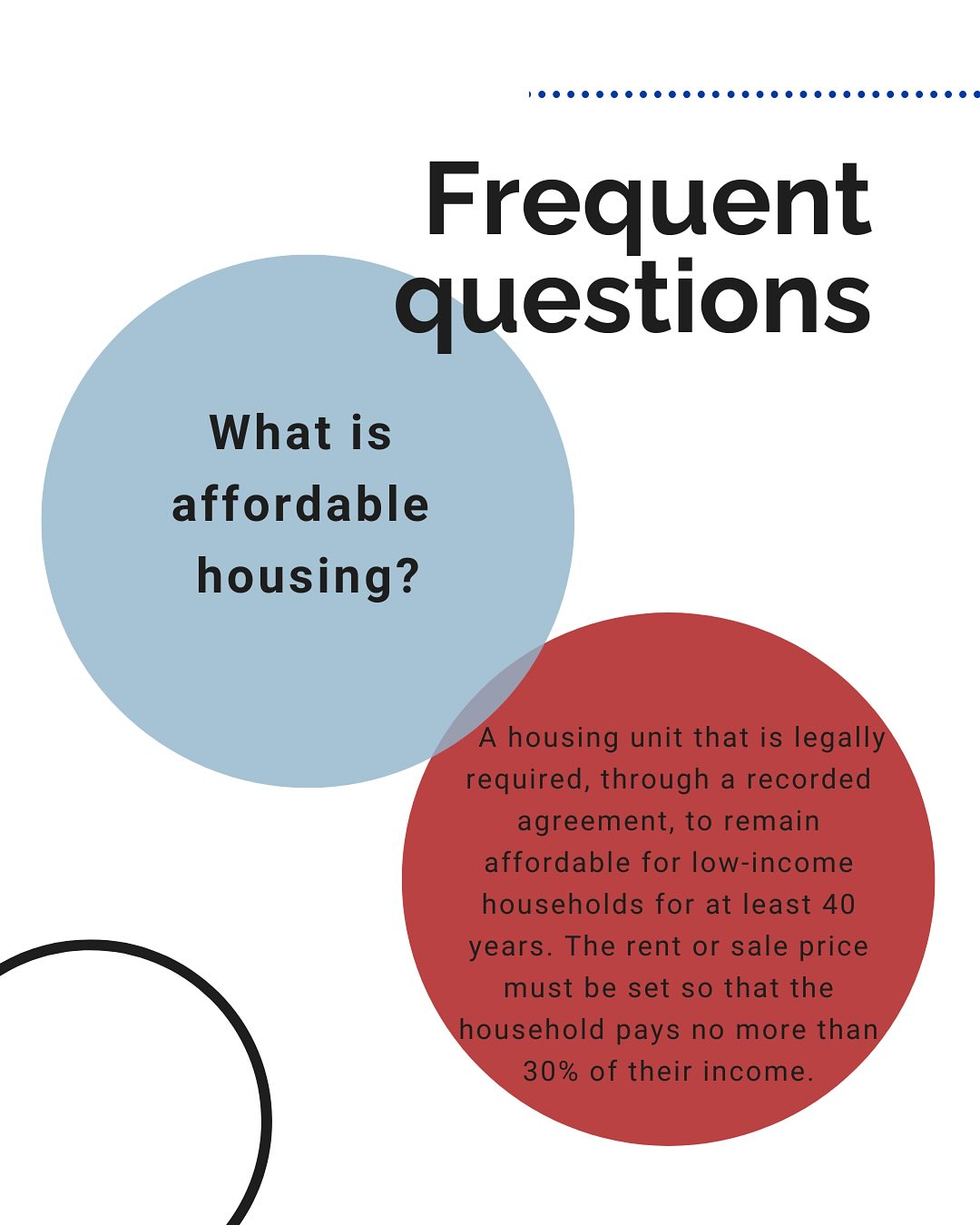
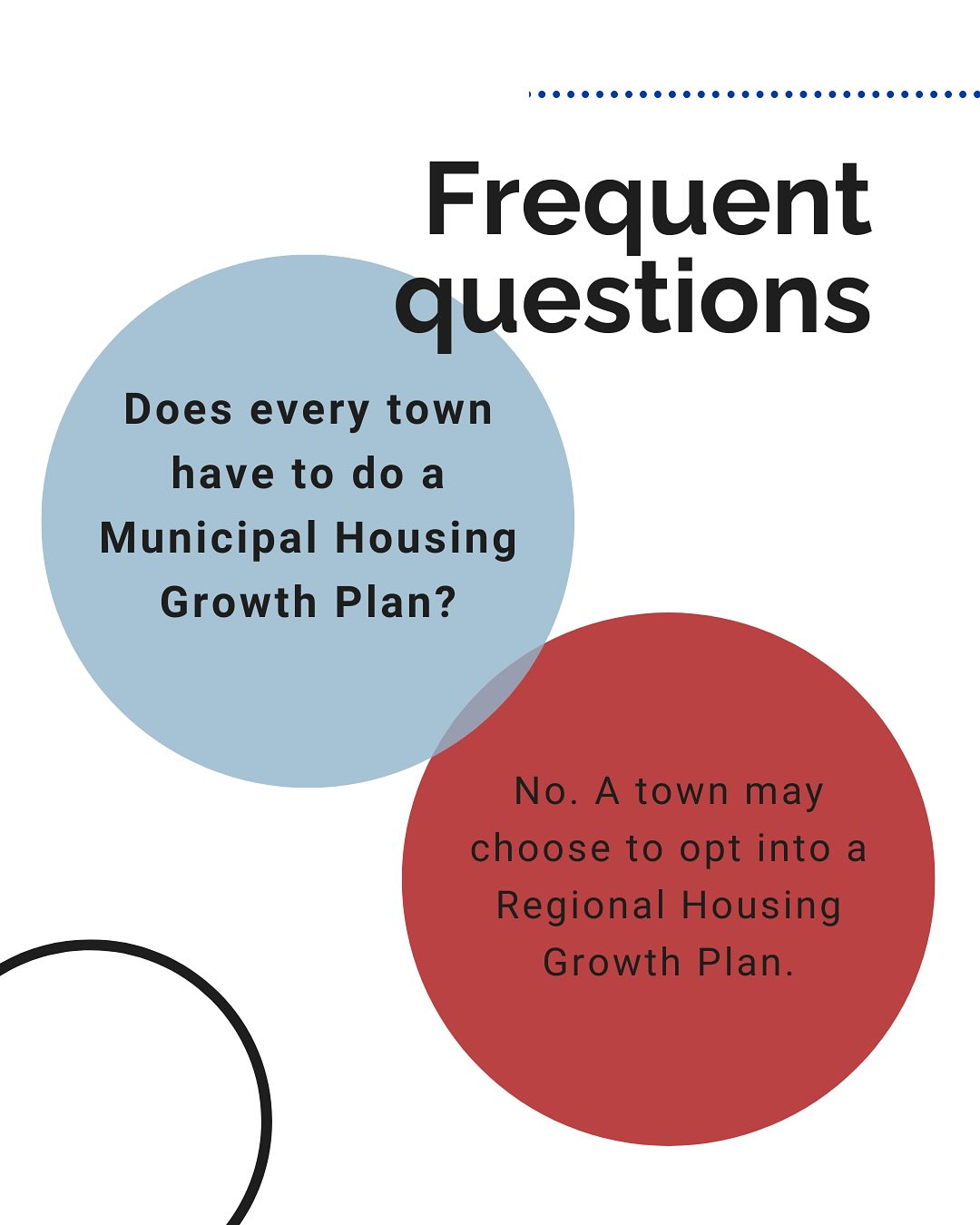
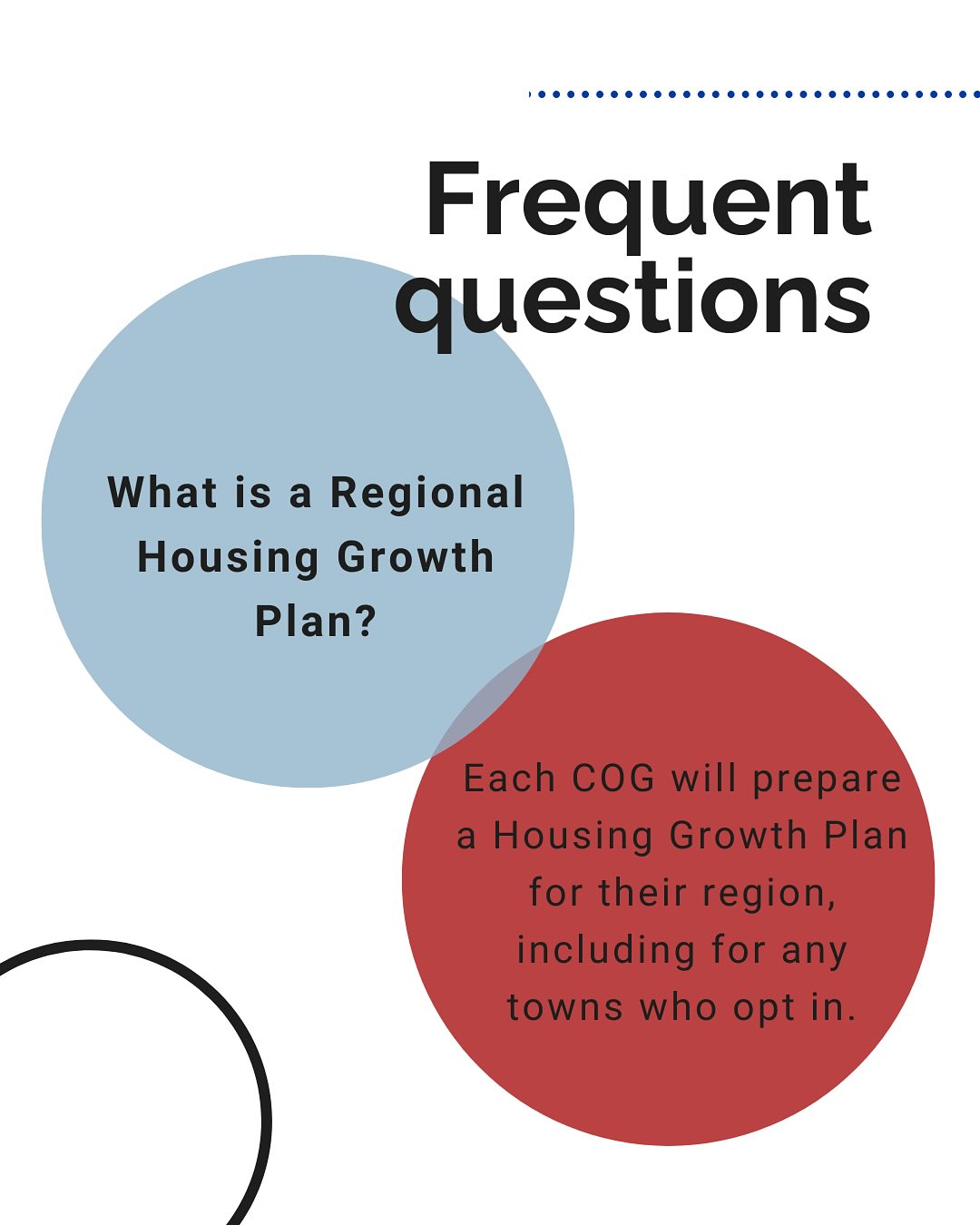
You have questions. We have answers.



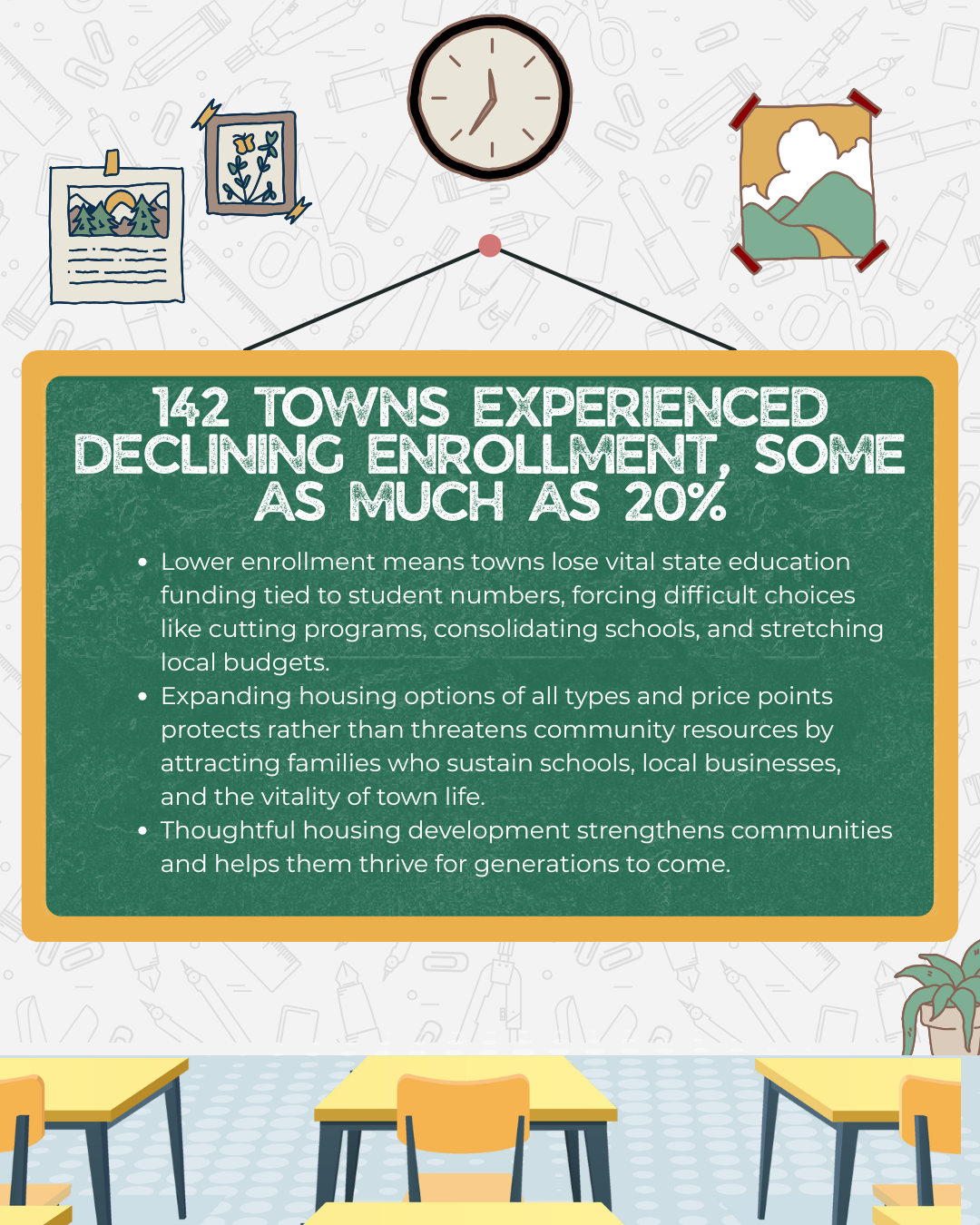
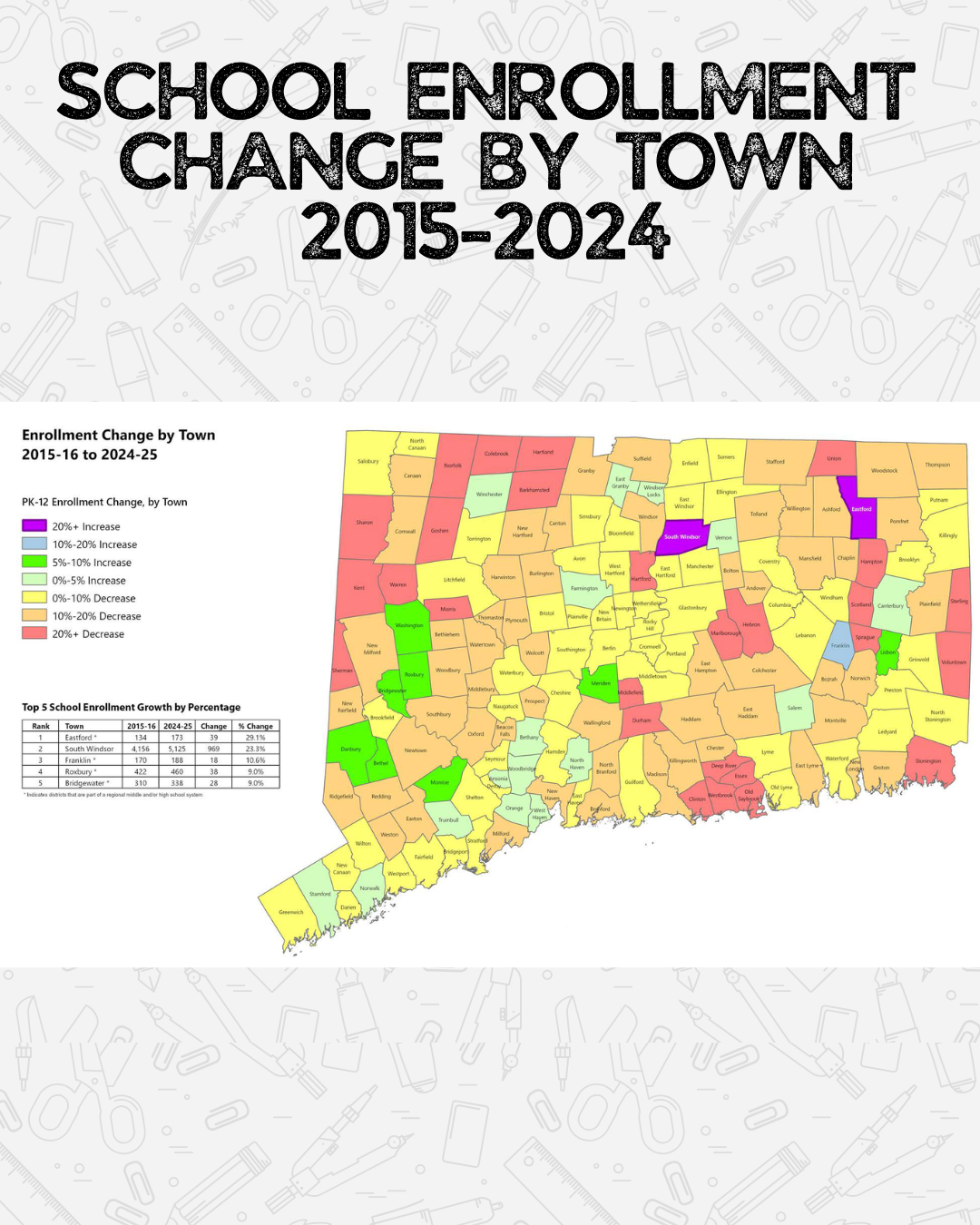
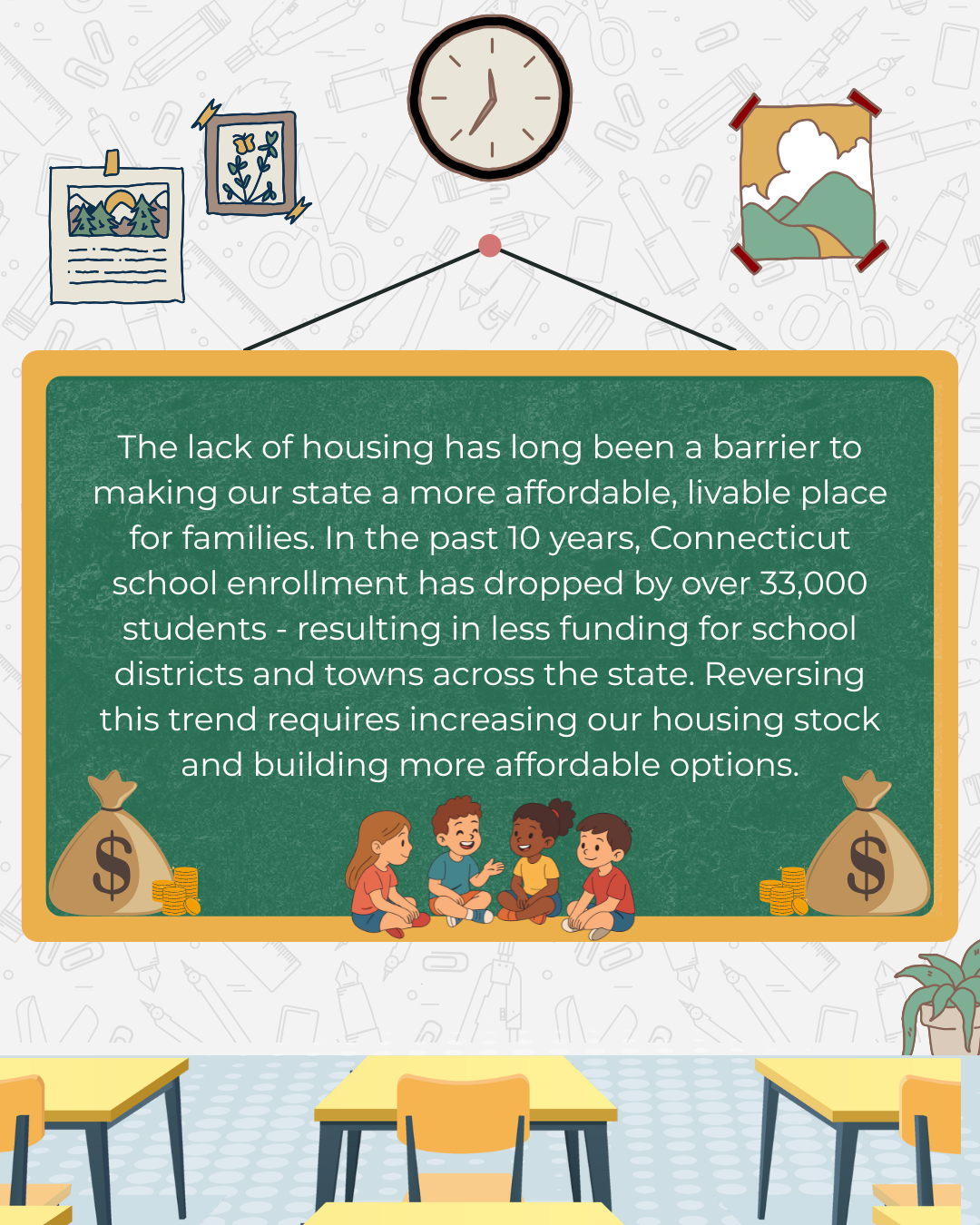
When families can’t find affordable homes, schools lose students and resources. In the past decade, Connecticut has seen 33,000 fewer students enrolled. To give every child an opportunity to learn and thrive, we must invest in inclusive, affordable housing. Because where children live should never determine how far they can go.