




Sales Tax Free Week, and more
August 14, 2026The 2026 Connecticut Sales Tax Free Week is Sunday, August 16th, through Saturday, August 22nd. This week provides a chance for families to save money, whether it is taking children back-to-school shopping or treating yourself or your loved ones.
During this week, sales or purchases of certain items of clothing or footwear costing less than $300 per item are exempt from sales tax.
SNAP Benefit, Minimum Wage Increase, and more
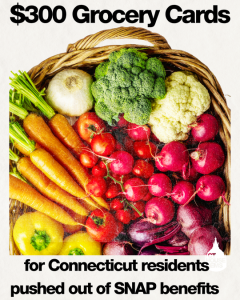
August 7, 2026A new one-time grocery benefit of $300 each is being distributed to low-income Connecticut residents who have been pushed out of the Supplemental Nutrition Assistance Program (SNAP) due to federal changes.
The grocery benefits, through a partnership the Connecticut Department of Social Services (DSS) arranged with Connecticut’s network of community action agencies and with support provided by the Connecticut Association for Community Action (CAFCA), will be distributed as prepaid virtual grocery cards—not loaded onto existing EBT cards.

Budget Surplus, August Primary, and more
July 31, 2026Connecticut closed the 2025-26 fiscal year with a budget surplus for the eighth straight year. Thanks to fiscal guardrails created by the General Assembly in 2017, those surpluses are contributing to paying down the state’s unfunded pension obligations, so future debt payments are hundreds of millions of dollars smaller than they would have been.
Access Health CT Enrollment Dates, and more
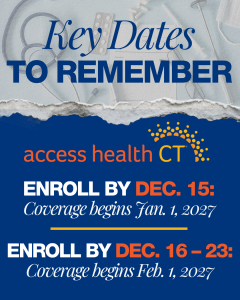
July 24, 2026You will soon be able to shop, compare plans, and enroll in health and dental coverage through the state’s official health insurance marketplace. Access Health CT’s open enrollment period runs from October 23 through December 23, giving residents an early start this year to explore their options and choose the coverage that best fits their needs.
Free Summer Meals, Education Scorecard, and more
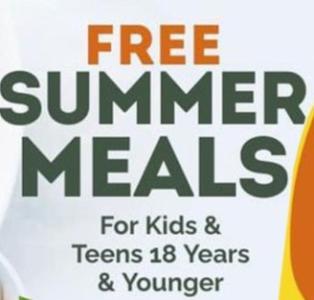
July 17, 2026As our youth enjoy these summer months away from school, don't forget that nutritious meals are available at no cost to all children in the state!
As part of the U.S. Department of Agriculture's Summer Food Service Program, any child 18 and under may receive meals at participating locations - no application, proof of income, or identification required.
You can use the U.S. DAG's Summer Meals Site Finder or call 2-1-1 to find participating meal sites throughout the state. Please confirm the location and meal service times before visiting to make sure you don't miss out.

Fourth of July, and more
July 3, 2026As we celebrate the Fourth of July and commemorate America's 250th Anniversary, we honor the courage, vision, and sacrifices of those who established our nation.
This historic milestone invites us to reflect on our shared heritage, celebrate the freedoms we enjoy, and reaffirm our commitment to the ideals of liberty, equality, and opportunity that continue to guide our country. On this Independence Day, let us come together in gratitude, patriotism, and a renewed commitment to the ideals that define our nation.
EBT Card Fraud, Summertime Nutrition Assistance, and more
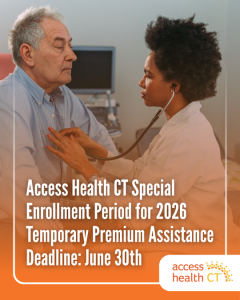
June 26, 2026A reminder that Access Health CT announced that eligible customers can enroll in a health insurance plan with Temporary Premium Assistance through a Special Enrollment Period that will end on June 30th.
The Temporary Premium Assistance has provided over $1.6 million in savings for 10,580 Connecticut residents to date. At the end of 2025, Governor Lamont announced the Temporary Premium Assistance to help customers who lost financial assistance when the federal enhanced Premium Tax Credits expired. The Special Enrollment Period for Temporary Premium Assistance opened on February 1st, and customers can continue to enroll through June 30th.

Juneteenth, New Laws, and more
June 18, 2026Friday is Juneteenth, a day of reflection, celebration, and progress.
As we commemorate the end of slavery in the United States and celebrate the resilience and contributions of the Black community, let's continue to strive for equality, justice, and freedom for all.